
A Quick Takeaway
The Story Behind the Trend
How to Make It Work for You
The Community View
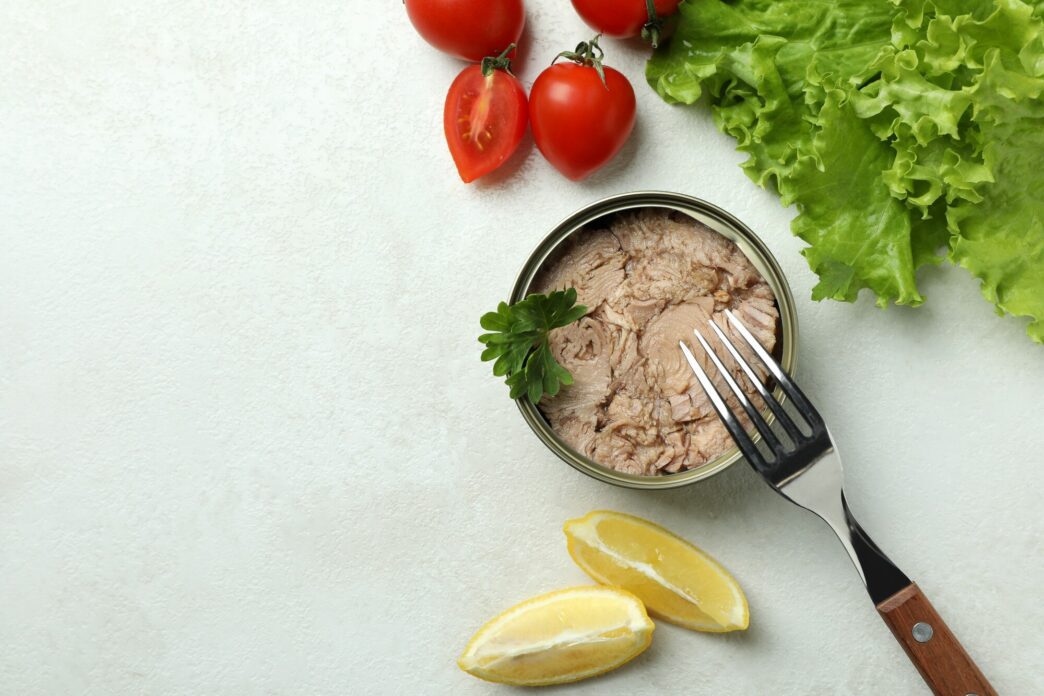
Canned tuna, a pantry staple for many, often sparks debate among health experts: is it a nutritional powerhouse or a hidden source of concern? For individuals seeking convenient and affordable protein, incorporating canned tuna into a balanced diet can offer significant health benefits, primarily due to its rich content of omega-3 fatty acids, lean protein, and essential micronutrients. However, consumers must also be aware of potential drawbacks, such as mercury content and sodium levels, which necessitate informed choices regarding tuna type and consumption frequency.
The Nutritional Profile of Canned Tuna
Tuna, whether fresh or canned, is celebrated for its impressive nutritional contributions. It’s an excellent source of complete protein, providing all essential amino acids necessary for bodily functions. Beyond protein, tuna is packed with heart-healthy fats and crucial vitamins and minerals that support overall well-being.
Omega-3 Fatty Acids: A Cardiovascular Champion
One of the most significant health benefits of tuna comes from its omega-3 fatty acids, specifically eicosapentaenoic acid (EPA) and docosahexaenoic acid (DHA). These polyunsaturated fats are vital for cardiovascular health, helping to reduce inflammation, lower triglyceride levels, and support healthy blood pressure. Regular intake of omega-3s is also linked to improved brain function and eye health.
While all tuna contains omega-3s, levels can vary by species. Albacore tuna, often labeled “white” tuna, generally contains higher levels of omega-3s compared to skipjack or yellowfin tuna, typically labeled “light” tuna. This difference is important when considering both nutrient intake and mercury exposure.
High-Quality Protein for Muscle and Satiety
Canned tuna provides a substantial amount of high-quality protein, making it an excellent food for muscle repair and growth. A single serving can deliver a significant portion of your daily protein needs, contributing to feelings of fullness and aiding in weight management by reducing overall calorie intake. This makes it a valuable food choice for athletes, active individuals, and those looking to manage their weight.
Essential Vitamins and Minerals
Beyond protein and omega-3s, tuna is a good source of several other vital nutrients. It provides selenium, a powerful antioxidant that protects cells from damage and supports immune function. B vitamins, including B12 and niacin, are abundant in tuna, playing crucial roles in energy metabolism and nervous system health. Furthermore, tuna offers vitamin D, essential for bone health and immune system regulation, a nutrient many people are deficient in.
Addressing Potential Concerns: Mercury and Sodium
While the health benefits are clear, it’s equally important to address the primary concerns associated with canned tuna consumption: mercury and sodium.
Mercury Levels: A Matter of Type and Frequency
Mercury is a naturally occurring element that can accumulate in fish, with larger, longer-lived species typically having higher levels. For tuna, albacore (white) tuna generally contains more mercury than skipjack or yellowfin (light) tuna. Health organizations recommend that adults limit albacore tuna consumption to about one 4-ounce serving per week, while light tuna can be consumed two to three times per week. Pregnant women, breastfeeding mothers, and young children are advised to be particularly cautious and follow specific guidelines to minimize mercury exposure.
Choosing light tuna, which typically comes from smaller species like skipjack, is a practical strategy to reduce mercury intake while still enjoying the benefits of this nutritious fish. Variety in fish consumption, including other low-mercury options like salmon, sardines, and cod, is also recommended.
Sodium Content: Check the Label
Many canned tuna products are preserved in brine, which can significantly increase their sodium content. High sodium intake is linked to increased blood pressure, a risk factor for heart disease. To mitigate this, opt for tuna packed in water with “no salt added” or “low sodium” labels. If these aren’t available, rinsing canned tuna under cold water before consumption can help reduce some of the sodium.
BPA and Sustainability Considerations
Some concerns have also been raised regarding Bisphenol A (BPA), a chemical found in the lining of many food cans, including some tuna cans. While regulatory bodies deem current exposure levels safe, consumers can look for BPA-free canned options if this is a concern. Additionally, sustainability is an important factor; choosing tuna certified by organizations like the Marine Stewardship Council (MSC) helps support responsible fishing practices and healthy ocean ecosystems.
Incorporating Canned Tuna into a Healthy Diet
Canned tuna’s versatility makes it easy to integrate into a wide range of meals. It’s excellent in salads, sandwiches, and wraps, providing a quick protein boost. You can also use it in pasta dishes, tuna melts, or mix it with Greek yogurt and vegetables for a healthier alternative to traditional tuna salad. Its affordability and long shelf life make it an accessible option for healthy eating.
The Verdict on Canned Tuna
When consumed mindfully, canned tuna can indeed be a valuable part of a health-boosting diet. Its rich profile of protein, omega-3s, and essential micronutrients offers significant advantages for heart health, muscle maintenance, and overall vitality. By choosing light tuna, opting for low-sodium varieties, and being aware of recommended serving sizes, consumers can confidently enjoy this convenient and nutritious food without undue concern. Moderation and variety remain key to reaping the full benefits of any food within a balanced eating pattern.