
Executive Summary
- The DEA launched “Fentanyl Free America” to disrupt supply chains and educate the public.
- The Omaha Field Division seized 25,000 pills and 37 pounds of powder across five states.
- Nationwide, agents have seized over 45 million fentanyl pills and 9,320 pounds of powder since December 1.
- Cartels are diversifying into methamphetamine and cocaine to mitigate enforcement risks.
- Synthetic opioids have resulted in nearly 325,000 deaths in the U.S. since 2021.
The Drug Enforcement Administration (DEA) formally announced on Wednesday the launch of the “Fentanyl Free America” campaign, a strategic initiative designed to disrupt the supply and demand of synthetic opioids while increasing public awareness regarding the ongoing drug crisis. According to the agency, the operation focuses on dismantling global supply chains utilized by major criminal organizations, including the Sinaloa and CJNG cartels.
DEA officials report that sustained enforcement pressure has forced these transnational criminal organizations to alter their business practices. Investigators have noted a decrease in the purity of fentanyl powder and a reduction in the number of pills containing potentially lethal doses, suggesting a shift in manufacturing tactics in response to law enforcement interdiction.
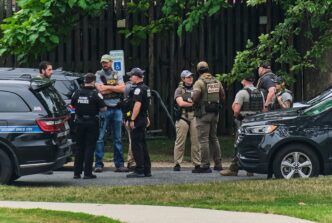
The DEA Omaha Field Division, which oversees operations in Iowa, Minnesota, Nebraska, North Dakota, and South Dakota, was one of 23 domestic divisions participating in “Operation Fentanyl Free America” beginning in October. According to field division reports, this targeted enforcement resulted in the seizure of nearly 25,000 fentanyl pills and 37 pounds of fentanyl powder across the five-state region.
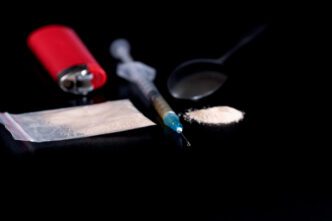
Nationally, the impact of the operation has been substantial. As of December 1, the DEA reported seizing more than 45 million fentanyl pills and over 9,320 pounds of fentanyl powder. The agency estimates these seizures have removed approximately 347 million potentially deadly doses of fentanyl from circulation within the United States.
Intelligence gathered during the operation indicates that cartels are diversifying their trafficking portfolios to mitigate risk and maximize revenue. The DEA Omaha Field Division noted that in October alone, agents seized more than 340 pounds of methamphetamine and nearly 42 pounds of cocaine, highlighting the multi-drug threat posed by these networks. The initiative comes as synthetic opioids continue to drive the deadliest drug crisis in U.S. history, claiming nearly 325,000 American lives since 2021.
Operational Strategic Assessment
The launch of the “Fentanyl Free America” campaign signals a shift in federal strategy toward a dual-pronged approach that combines aggressive interdiction with high-visibility public education. While the seizure of 347 million potential doses represents a significant tactical victory, the reported diversification of cartel operations into methamphetamine and cocaine suggests that criminal networks remain highly adaptable. Law enforcement agencies face the continued challenge of countering these evolving logistics strategies, particularly as cartels attempt to offset losses in the fentanyl market by expanding other illicit commodity streams across the Midwest and nationwide.