Executive Summary
- Joint task force raided OverseasOrganiz in Palm Bay, seizing military-grade weapons and IEDs.
- Agents confiscated 92,000 pounds of 7-OH, a banned opioid-like Kratom derivative.
- Business owner Maxwell Horvatz, a convicted felon, was arrested and held without bond.
- Inventory included a .50 caliber machine gun and explosives manufacturing chemicals.
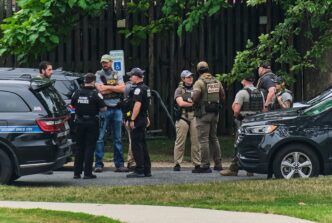
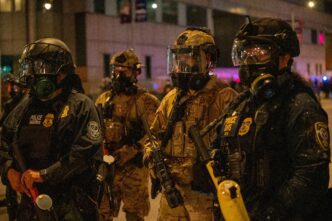
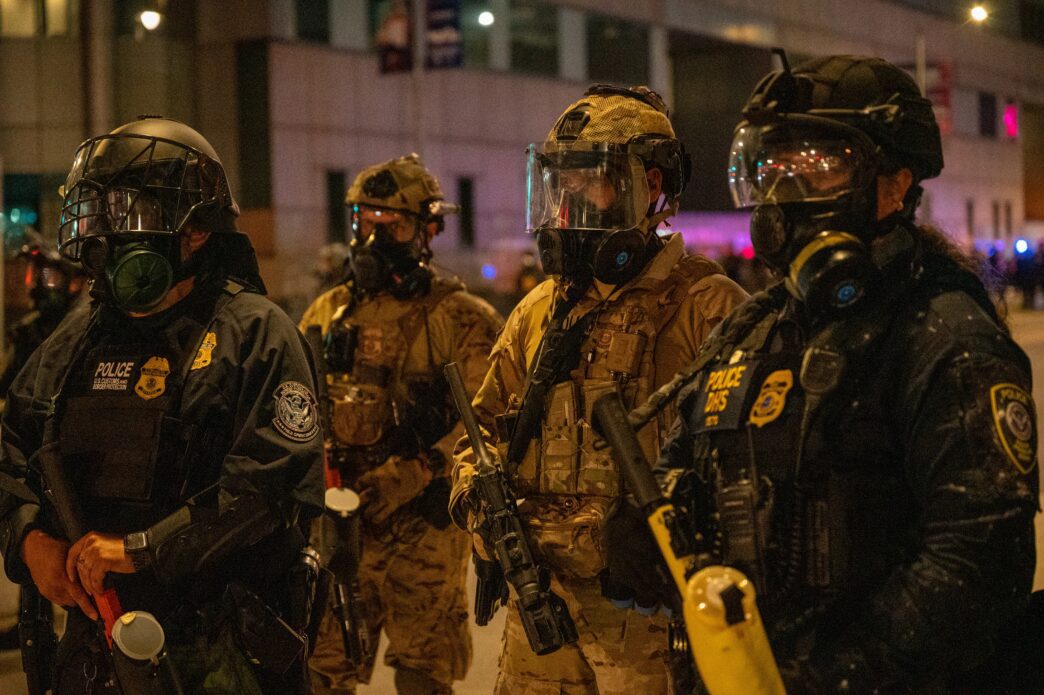
Federal and local authorities in Palm Bay, Florida, executed a significant tactical raid on a commercial business on December 3, resulting in the seizure of a massive cache of military-grade weaponry, improvised explosive devices (IEDs), and approximately 92,000 pounds of an illicit opioid-like compound. The operation, a coordinated effort involving the Bureau of Alcohol, Tobacco, Firearms and Explosives (ATF), the Drug Enforcement Administration (DEA), and the Brevard County Sheriff’s Office, targeted a facility operating as OverseasOrganiz.
According to Brevard County Sheriff Wayne Ivey, the search uncovered a highly dangerous inventory. Among the seized items were a tripod-mounted .50 caliber machine gun, two automatic machine guns, 17 pistols, 12 rifles, three shotguns, and multiple suppressors. Additionally, investigators located five improvised explosive devices and 50 pounds of chemical precursors intended for explosive manufacturing, leading Sheriff Ivey to describe the scene as “Breaking Bad on steroids.”
Palm Bay Police Chief Mariano Augello stated that the discovery of explosives in the city’s industrial area raised immediate public safety concerns. “We’re not just talking about drugs… but explosive devices that are utilized by the military and other countries,” Augello noted during a press briefing, characterizing the site as a “red flag for disaster.”
The business owner, 26-year-old Maxwell Horvatz, was taken into custody and is currently being held without bond at the Brevard County Jail Complex. Horvatz, a convicted felon who previously served two years in federal prison, allegedly operated the business to sell Kratom products and the concentrated derivative 7-OH. While Kratom remains legal in Florida, State Attorney General Ashley Moody signed an emergency rule in October prohibiting the sale or distribution of 7-OH due to its opioid-like properties.
Sheriff Ivey indicated that the investigation, which began in September with undercover purchases, revealed that Horvatz allegedly believed he could circumvent state laws by shipping the products out of Florida. Authorities described the operation as the largest seizure of its kind regarding the 7-OH compound.
Public Safety and Legal Implications
The convergence of illicit narcotics distribution and heavy weaponry represents a significant escalation in local criminal enterprise threats. This case highlights the challenges law enforcement faces regarding the regulation of synthetic or derivative compounds like 7-OH, which often exist in legal gray areas before specific interdiction by state authorities. The involvement of federal agencies such as the ATF and DEA underscores the severity of the weapons charges and the potential interstate nature of the distribution network. It is important to note that all individuals, including Maxwell Horvatz, are presumed innocent until proven guilty in a court of law.