Executive Summary
- FBI agents arrested Kerry Charlotin in Cayce, S.C., on Dec. 11.
- The investigation, led by the Boston Field Office, dates back to June 2025.
- Authorities allege the suspect sold fentanyl during controlled purchases recorded by agents.
- Surveillance intelligence regarding travel plans led authorities to the South Carolina location.
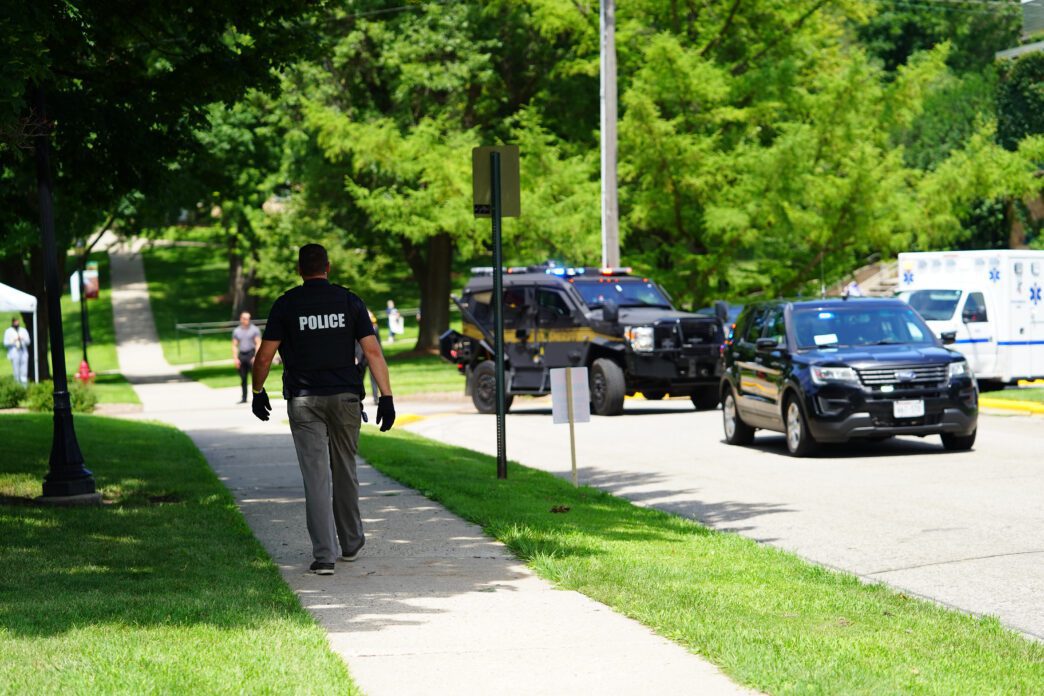
CAYCE, S.C. — Federal agents arrested a Boston resident in Cayce, South Carolina, on December 11 in connection with an alleged fentanyl trafficking ring operating out of Massachusetts. The operation involved coordination between FBI field offices to apprehend the suspect hundreds of miles from the primary investigation site.
According to a criminal complaint filed in the U.S. District Court for the District of Massachusetts, Kerry Charlotin was taken into custody by the FBI’s Columbia Field Office around 5 a.m. at a property located in the 2000 block of Lorick Street. The arrest was executed on behalf of the FBI’s Boston Field Office, which reportedly began investigating Charlotin’s activities in June 2025.
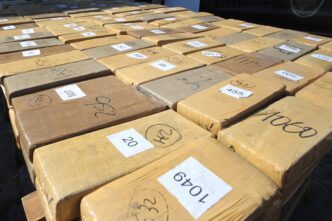
Federal investigators allege that Charlotin and an associate were involved in the distribution of narcotics in the Boston area. Court documents state that between October 16 and December 3, a confidential informant facilitated multiple "controlled purchases" of approximately 50 grams of fentanyl from the suspects. These transactions were reportedly captured via audio and video surveillance and directly observed by field agents.
During a controlled purchase on November 6, agents noted that Charlotin informed the informant of his plans to travel to South Carolina, according to the affidavit. This intelligence reportedly assisted authorities in locating the suspect at the Cayce residence.
Investigative Outlook
This operation underscores the efficacy of coordination between regional FBI field offices in tracking suspects across state lines. The apprehension of a suspect outside the primary jurisdiction of the investigation typically initiates a two-step legal process, beginning with an initial appearance in the district of arrest followed by removal proceedings to transfer the defendant to the charging district. It is important to note that a criminal complaint is merely an allegation, and all defendants are presumed innocent until proven guilty beyond a reasonable doubt in a court of law.