
Executive Summary
- Traffickers in West Africa are posing as QNET recruiters to lure victims with false promises of jobs in the US and Europe.
- Victims are transported across borders, held captive, and often forced into recruitment schemes or sex work.
- Interpol and Sierra Leone police have rescued hundreds of victims, though conviction rates remain low.
- QNET has denied involvement and launched a public awareness campaign against the scams.
Criminal gangs operating across West Africa are leveraging the brand identity of QNET, a Hong Kong-based wellness and lifestyle company, to orchestrate a widespread human trafficking scheme, according to an investigation involving Interpol and local law enforcement. The scams involve luring victims with non-existent job opportunities abroad, only to hold them captive in neighboring countries under coercive conditions.
According to Mahmoud Conteh, head of investigations at the anti-trafficking unit of Interpol within the Sierra Leone police, traffickers exploit porous borders to move victims between countries such as Guinea, Sierra Leone, Burkina Faso, Ivory Coast, and Mali. Conteh told reporters that criminal networks target individuals by promising employment in the United States, Canada, Dubai, or Europe. Victims are required to pay substantial “administration fees,” often totaling thousands of dollars, before being transported across borders where the promised employment never materializes.
One victim, identified as Foday Musa from Guinea, reported paying $25,000 to traffickers in a failed attempt to secure jobs for his children and subsequently secure their release. Musa recounted to the BBC that his son and daughter were recruited in February 2024 and taken to Sierra Leone. Instead of overseas employment, victims are often told they must recruit others into the scheme to earn their passage. Other victims, such as a Sierra Leonean woman identified as Aminata, described being forced into sex work to survive after funds ran out and recruiters abandoned their initial promises of support.
QNET has officially rejected allegations linking the corporate entity to human trafficking. The company stated it is a legitimate direct-selling business and has launched media campaigns, including billboards with the slogan “QNET Against Scams,” to warn the public against fraudulent actors misusing their name. Despite these efforts, investigators note that gangs continue to use the company’s business model as a front for illegal activities.
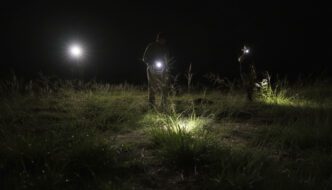
Law enforcement authorities in Sierra Leone have conducted approximately 20 raids over the past year, rescuing hundreds of trafficking victims. During a recent operation in Makeni, police discovered dozens of young people, primarily Guineans, living in crowded conditions. While 12 suspected traffickers were arrested during these operations, successful prosecutions remain rare. Data from the U.S. State Department indicates that between July 2022 and April 2025, there were only four trafficking convictions in the region following the passage of Sierra Leone’s anti-trafficking act.
Regional Enforcement Outlook
The proliferation of the “QNET scam” highlights a critical gap in transnational law enforcement within West Africa. While physical raids successfully recover victims, the low conviction rate suggests that the judicial infrastructure is struggling to process complex cross-border trafficking cases effectively. The exploitation of a legitimate corporate identity complicates investigative efforts, requiring authorities to distinguish between authorized independent representatives and criminal syndicates co-opting the brand. Future enforcement strategies will likely require enhanced judicial cooperation between West African nations to dismantle the leadership structures of these trafficking rings rather than solely intercepting low-level recruiters. It is important to note that all individuals arrested or accused in connection with these operations are presumed innocent until proven guilty in a court of law.