Executive Summary
- House Bill 278 requires all Utah massage businesses to register via a government website and mandates background checks for employees.
- State data estimates a 10% increase in illicit massage businesses, with roughly 150 suspected locations currently operating.
- New licensing fees will directly fund expanded inspections and enforcement authority to revoke licenses of non-compliant operators.
SALT LAKE CITY — Massage therapy businesses throughout Utah are preparing for a wave of new regulations set to take effect this spring, as state officials move to dismantle illicit operations associated with human trafficking. The new measures, mandated by House Bill 278, aim to distinguish legitimate therapeutic practices from illegal fronts and provide law enforcement with stronger tools for oversight.
Under the provisions of HB 278, all massage businesses are required to register through a designated Utah government licensing website. Additionally, business owners and employees must undergo mandatory background checks. According to the text of the legislation, establishments must also adhere to stricter identification and signage requirements. These measures are designed to increase transparency within the industry and facilitate the identification of non-compliant operators.
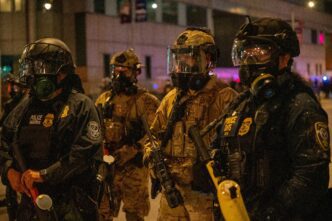
The push for tighter regulation follows data indicating a rise in illegal activity. A recent study cited in reports estimates that Utah has experienced a 10% increase in illicit massage businesses, with approximately 150 such locations currently operating statewide. This legislative action comes in the wake of recent enforcement operations, including the closure of two businesses in Cottonwood Heights suspected of functioning as part of a prostitution ring.
Representative Norman Thurston, the bill’s chief sponsor, stated that the legislation is specifically targeted at bad actors and should have a minimal impact on law-abiding businesses. Thurston noted that the additional revenue generated from facility licensing fees is earmarked to fund inspections and enforcement efforts tied to the new law, granting regulators expanded authority to inspect facilities and revoke licenses when violations are discovered.
Industry professionals have largely expressed support for the crackdown. Licensed massage therapist Katie Danner told reporters that illicit businesses posing as legitimate services create unfair scrutiny for ethical practitioners. Danner expressed hope that the new laws would elevate the profession’s reputation by clearly distinguishing trained therapists from illegal operators.
Regulatory Oversight and Public Safety
The enactment of HB 278 signals a shift in Utah’s approach to public safety and industry regulation, moving from reactive policing to proactive administrative oversight. By tying licensing fees directly to enforcement funding, the state is establishing a self-sustaining mechanism to monitor the rapid growth of the massage industry. This strategy aims to disrupt the operational model of human trafficking rings by removing the veil of legitimacy often used by illicit storefronts. Regarding the recent closures in Cottonwood Heights mentioned in the context of this legislation, it is important to note that all individuals arrested or accused of crimes are presumed innocent until proven guilty in a court of law.