Executive Summary
- Don Lemon was arrested by federal agents in Los Angeles in connection with a St. Paul church protest investigation.
- Fox News reports that three levels of the judiciary previously declined to sign arrest warrants for Lemon.
- Legal analysts suggest prosecutors utilized a grand jury to secure the indictment following the judicial denials.
- Commentators compared the validity of the grand jury process to the legal proceedings involving President Trump.
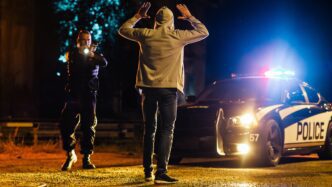
Former CNN anchor Don Lemon was taken into custody by federal agents in Los Angeles early Friday morning following an investigation into a protest incident at a church in St. Paul, Minnesota. The arrest, executed just after midnight at a Los Angeles hotel, marks a significant development in a federal inquiry involving the Freedom of Access to Clinic Entrances (FACE) Act.
According to Fox News correspondent Bill Melugin, the arrest follows unsuccessful attempts by federal prosecutors to secure a warrant through standard judicial reviews. Melugin reported that a magistrate judge, a district judge, and an appeals court had previously declined to authorize an arrest warrant for Lemon. Consequently, legal analysts cited in the report suggest that prosecutors likely presented their evidence to a grand jury to secure the indictment.
Discussing the development on Fox & Friends, host Charlie Hurt described the apparent use of a grand jury as "unimpeachable." Hurt drew a direct parallel to the legal challenges faced by President Donald Trump, noting that President Trump was indicted by grand juries in multiple jurisdictions, a process Hurt characterized as a robust element of the justice system. Authorities confirmed that three other individuals, including a St. Paul school board member and an online activist, have also been arrested in connection with the disruption at the church.
Procedural Legal Analysis
The utilization of a grand jury in this context highlights a strategic pivot by federal prosecutors after encountering resistance from the bench. While judicial officers initially found insufficient grounds for a warrant, a grand jury indictment allows the Department of Justice to proceed with charges by securing a determination of probable cause from a citizen panel. This move signals a rigorous application of the FACE Act regarding protections for places of worship. It is important to note that all individuals are presumed innocent until proven guilty in a court of law.