
Executive Summary
- The Supreme Court ruled 6-3 that President Trump’s emergency global tariffs were illegal, citing executive overreach.
- Justice Neil Gorsuch issued a concurring opinion warning against the consolidation of power in the executive branch.
- President Trump responded by announcing a new 10% global tariff under a different statute with a 150-day expiration.
- The decision reaffirms Congressional authority over trade policy, drawing support from Senate Minority Leader Mitch McConnell.
On February 20, 2026, the United States Supreme Court issued a significant 6-3 ruling declaring President Donald Trump’s use of emergency powers to implement sweeping global tariffs as illegal. The decision marks a pivotal moment in the balance of power between the executive branch and the legislature, arriving just days before the President is scheduled to deliver the State of the Union address.
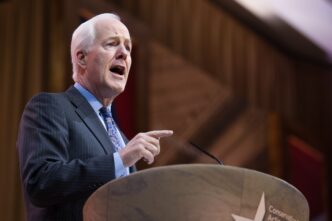
According to the majority opinion, the administration overstepped its statutory authority by utilizing emergency provisions to enact long-term trade policies that traditionally fall under the purview of Congress. Senate Minority Leader Mitch McConnell (R-KY) released a statement supporting the ruling, noting that the Court had “reaffirmed authority that has rested with Congress for centuries.” This development highlights internal fractures within the GOP regarding trade policy and executive reach.
Justice Neil Gorsuch, nominated by President Trump in 2017, authored a concurring opinion that strongly criticized the expansion of executive power. Gorsuch wrote that the separation of powers is threatened when the executive branch relies on “loose or uncertain authority” to bypass the legislature. He warned that the “continual and permanent accretion of power in the hands of one man” poses a risk to the republic’s foundational structure.
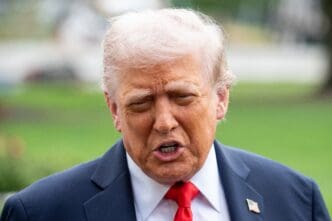
In response to the ruling, President Trump convened a press conference where he disputed the necessity of congressional consultation for tariff-related matters. Citing a separate, decades-old statute, the President announced the immediate implementation of a new 10% global tariff with a 150-day expiration date, signaling his administration’s intent to continue its protectionist trade agenda despite the judicial rebuke.
Constitutional & Governance Implications
This ruling serves as a major reassertion of Article I powers, establishing a tighter judicial check on the executive use of national emergency declarations for economic policy. By invalidating the specific legal basis for the tariffs, the Supreme Court has complicated the administration’s ability to bypass Congress on fiscal matters. However, the White House’s swift pivot to an alternative statutory authority suggests a prolonged legal and political struggle over trade jurisdiction, creating continued uncertainty for global markets and supply chains as the midterm elections approach.