Executive Summary
- Former GSUSA executives outlined a transgender inclusion policy developed between 2011 and 2015.
- The policy was crafted with input from medical experts and religious leaders to ensure child safety.
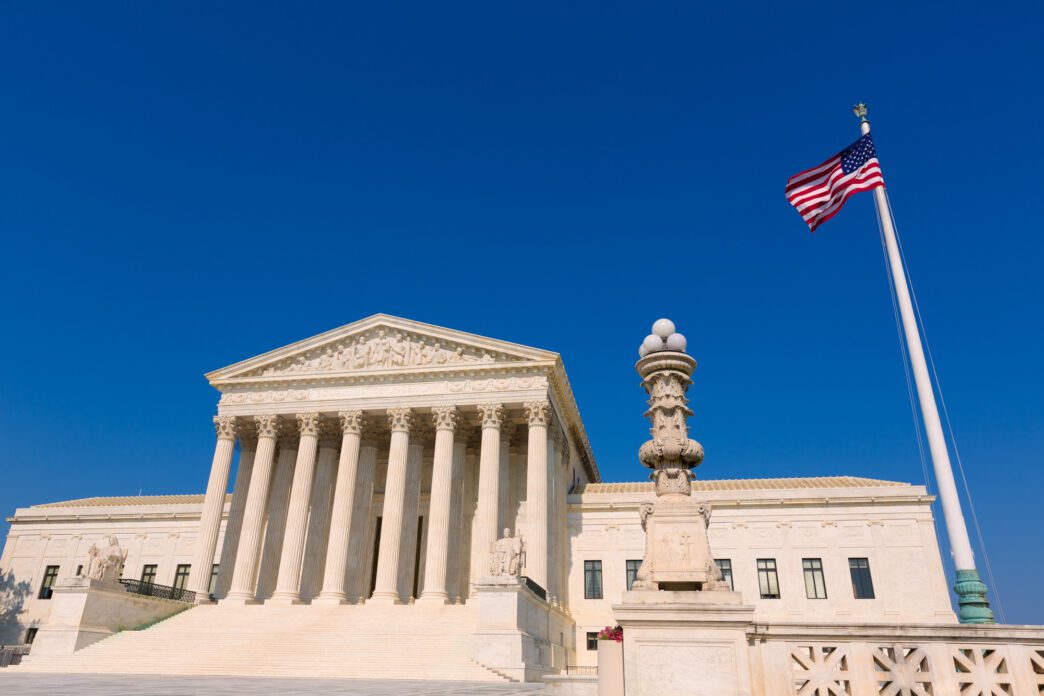
- The disclosure comes as the Supreme Court prepares to rule on transgender rights cases in mid-2026.
- Legal experts anticipate the upcoming rulings will set a precedent for state versus institutional governance.
WASHINGTON – As the U.S. Supreme Court prepares to issue pivotal rulings on transgender rights in West Virginia v. B.P.J. and Little v. Hecox later this year, former executives from the Girl Scouts of the USA (GSUSA) have released details regarding the organization’s established framework for transgender inclusion. In an analysis published amidst the current judicial cycle, former Chief Girl and Family Engagement Officer Andrea Bastiani Archibald and Vice President of Communications Josh Ackley outlined the organization’s methodology for integrating transgender children, which was formalized over a decade ago.
According to the former executives, the GSUSA began developing formal inclusion guidelines following the 2011 admission of a transgender child in Colorado. The organization moved to institutionalize these practices between 2011 and 2015, utilizing a federated approach that involved consultation with 112 independent councils. The policy development process reportedly included input from medical professionals, religious leaders, and child development experts to ensure the guidelines prioritized mental health and safety.
The guidelines were fully operational by 2015, a period that coincided with a collaborative event involving the Obama administration on the White House South Lawn. The former officials assert that the policy was implemented with a focus on community-level engagement rather than top-down mandates, which they claim mitigated potential backlash and fostered acceptance even in conservative jurisdictions. This historical account surfaces as the Supreme Court considers the constitutionality of state-level bans on transgender participation in school sports, with arguments having concluded in January 2026.
Social and Judicial Outlook
The retrospective on the Girl Scouts’ policy provides a distinct case study in institutional governance as the judicial branch weighs the legality of restricting transgender rights. With the Supreme Court expected to deliver rulings in late spring or early summer 2026, the outcome will likely determine whether private organizational policies can serve as viable models for inclusion or if state legislation will preempt such internal governance. Legal analysts suggest that if the Court upholds the state bans, it could signal a significant shift in the balance between civil liberties and state regulatory power over youth institutions.