Executive Summary
- The Supreme Court is set to hear arguments on the Helms-Burton Act, determining if U.S. firms can sue over property confiscated by Cuba.
- Cases involve ExxonMobil suing a Cuban state entity and Havana Docks Corp suing major cruise lines for asset usage.
- Title III of the Act was activated by President Trump in 2019 after decades of suspension by previous administrations.
- Key legal issues include the applicability of foreign sovereign immunity and the definition of present-day property interests.
- The outcome will impact the financial liability of multinational corporations operating in regions with nationalized assets.
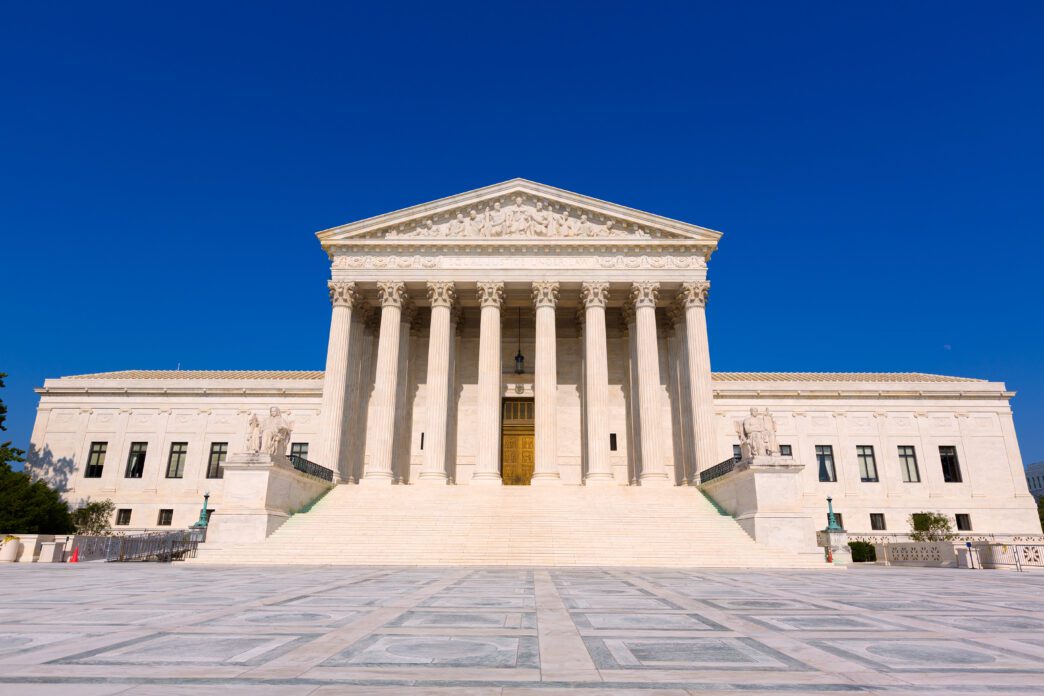
The U.S. Supreme Court is scheduled to hear oral arguments on Monday regarding the scope and application of the Helms-Burton Act, a 1996 federal law permitting U.S. nationals to seek compensation for property confiscated by the Cuban government. The hearings will address complex legal questions arising from the activation of Title III of the Act, which allows lawsuits against entities accused of trafficking in assets seized following the 1959 Cuban revolution.
According to court filings, the justices will consider two distinct cases involving billions of dollars in potential claims. One case involves U.S. oil giant ExxonMobil, while the other centers on major cruise operators, including Carnival, Royal Caribbean, Norwegian Cruise Line, and MSC Cruises. Both cases test the extent of the remedy Congress intended when it passed the legislation, which remained dormant for decades until President Trump lifted its suspension during his first term in 2019.
In the dispute involving ExxonMobil, the company is seeking over $1 billion in compensation from CIMEX, a Cuban state-owned entity, for oil and gas assets nationalized in 1960. Exxon has petitioned the Supreme Court to reverse a 2024 lower court decision which held that Cuban state-owned enterprises could invoke the defense of foreign sovereign immunity. This legal doctrine typically protects foreign governments from litigation in U.S. courts. Attorneys for CIMEX argued that the lower court’s ruling safeguards Congressional judgment in a sensitive diplomatic area.
The second case involves Havana Docks Corporation, a U.S. firm that constructed docks in Havana’s port prior to the revolution. The company sued the four cruise lines in 2019, alleging they trafficked in confiscated property by utilizing the terminal between 2016 and 2019, a period when travel restrictions were eased under the Obama administration. A federal judge previously found the cruise lines liable for a combined $440 million, though an appeals court later vacated those judgments. The central issue is whether a claimant must establish a present-day property interest in the nationalized assets.
Title III of the Helms-Burton Act was consistently suspended by Presidents Clinton, Bush, and Obama to avoid diplomatic friction with allies such as Canada and Spain, whose companies maintain investments in Cuba. Since the provision’s activation in 2019, approximately 40 lawsuits have been filed, though plaintiffs have faced significant legal hurdles. Legal analysts note that the Supreme Court’s interpretation could either lower these barriers or further restrict the ability of U.S. businesses to secure compensation.
Judicial and Diplomatic Implications
The Supreme Court’s forthcoming decision represents a critical juncture for the enforcement of extraterritorial U.S. property laws. A ruling favoring the plaintiffs could expose multinational corporations to significant liability for operations in nations with contested property histories, potentially chilling foreign investment in such regions. Conversely, a ruling upholding sovereign immunity and strict property interest definitions would likely render Title III functionally toothless, affirming the judiciary’s hesitation to adjudicate foreign policy disputes through private litigation. The outcome will also signal how the Court balances statutory interpretation against customary international law regarding sovereign immunity.