Executive Summary
- A group of Democratic Senators and Representatives plan to boycott President Trump’s State of the Union address on Tuesday.
- Florida Representative Maxwell Frost has not confirmed his attendance, though he has protested similar events in the past.
- A counter-rally titled the "People’s State of the Union" is scheduled for the National Mall.
- Virginia Governor Abigail Spanberger will deliver the official Democratic response.
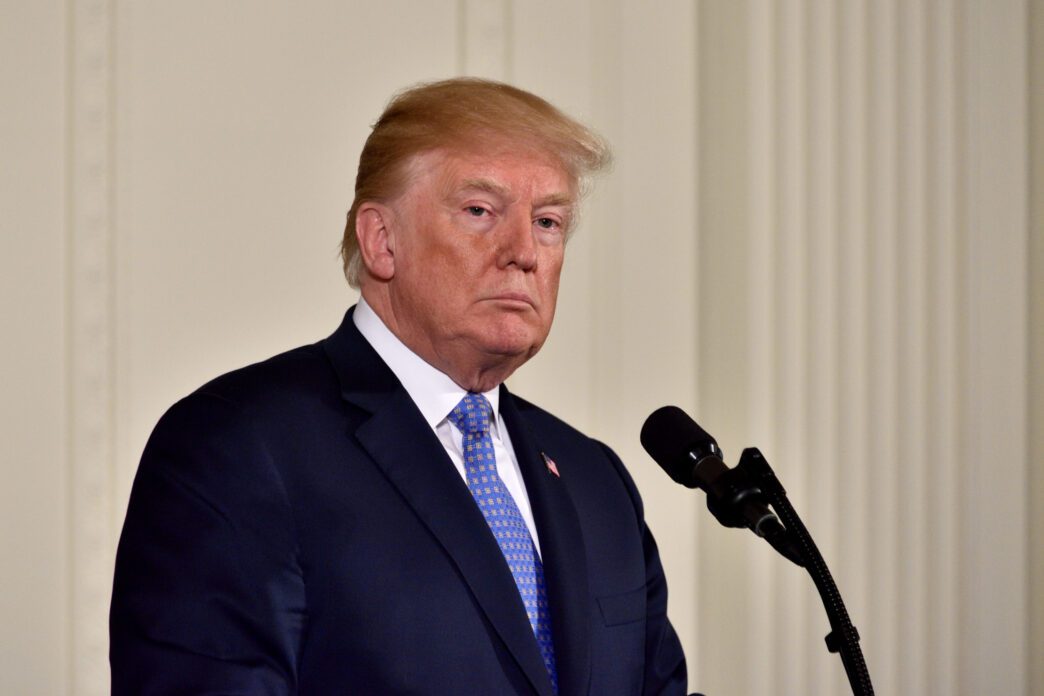
As President Donald Trump prepares to deliver the first official State of the Union address of his second term on Tuesday, a coalition of Democratic lawmakers has announced plans to boycott the event. Among the administration’s vocal critics is Representative Maxwell Frost (D-FL), whose attendance remains unconfirmed as of Monday, despite his participation in protests during previous joint addresses.
Organizers MeidasTouch and MoveOn Civic Action have arranged a counter-event titled the "People’s State of the Union," scheduled to take place on the National Mall. This rally is positioned by its coordinators as an opposition response to what they describe as the administration’s "misplaced priorities." Parallel to these demonstrations, Virginia Governor Abigail Spanberger is scheduled to deliver the formal Democratic response following the President’s speech on Tuesday evening.
Confirmed participants in the boycott currently include Senators Ed Markey, Jeff Merkley, and Adam Schiff, along with Representatives Pramila Jayapal and Greg Casar. As of February 23, no Florida legislators have officially joined the list of those abstaining from the joint session.
Representative Frost, who represents Florida’s 10th Congressional District, previously walked out of a joint address last year wearing protest attire. While the congressman is currently running for reelection and remains a staunch critic of the administration, his office has not released a definitive statement regarding his presence at Tuesday’s address.
Political Polarization and Symbolic Protest
The organized boycott and simultaneous counter-rally underscore the deepening partisan divide within Washington as the legislative session progresses. While such protests are not unprecedented in modern political history, the coordination of a parallel event on the National Mall signals a strategic shift from passive non-attendance to active counter-programming. This dynamic highlights the challenges facing the administration in seeking bipartisan consensus and suggests that the State of the Union is increasingly viewed by the opposition not merely as a constitutional obligation, but as a focal point for political differentiation.