
Executive Summary
- A Jan. 4 welfare check in Ypsilanti escalated into a 30-hour SWAT standoff involving tear gas and structural demolition.
- Ruben Peeler, 53, faces eight felonies after allegedly barricading himself with a sword; he remains in psychiatric care.
- Police leaders defended the tactics as necessary for safety, while community leaders criticize the militarized response to a mental health crisis.
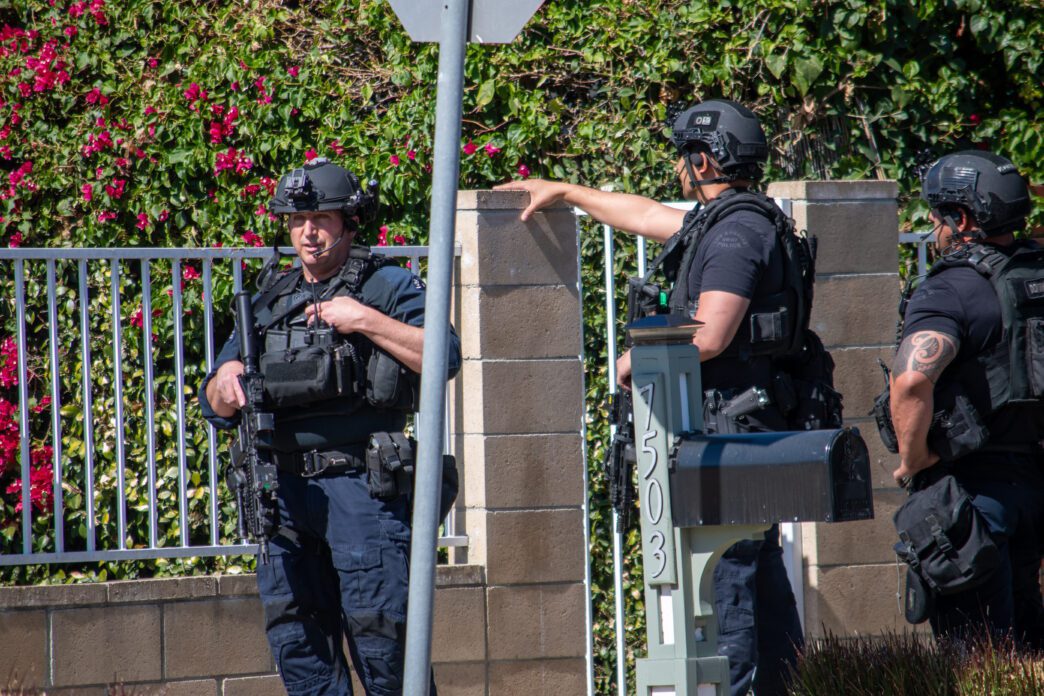
YPSILANTI, Mich. – A routine welfare check initiated by neighbors regarding a 53-year-old man in mental distress escalated into a 30-hour standoff involving SWAT teams and heavy tactical equipment earlier this year, reigniting a fierce debate over law enforcement protocols for mental health emergencies in Washtenaw County.
According to reports obtained by Bridge Michigan, the incident began on January 4 when neighbors of Ruben Peeler called 911 to report erratic behavior. Peeler, who has a documented history of bipolar disorder, had allegedly been pounding on a neighbor’s door with a large wooden stick. What began as a call for assistance transformed into a multi-agency law enforcement operation that culminated in the deployment of tear gas, flash-bang grenades, and fire hoses against the residence.
Police records state that responding officers encountered Peeler armed with a katana sword. Authorities allege he barricaded himself inside his second-floor apartment on West Cross Street. Over the course of the standoff, law enforcement utilized a demolition crew to breach the brick exterior of the home. The property owners, Samantha Danek and her husband, described the residence as a “total loss” following the operation, which they say destroyed the apartment of Danek’s mother, who lived on the first floor.
Sheriff Alyshia Dyer and Ypsilanti Police Chief Tim Anderson defended the tactical response in subsequent statements. Sheriff Dyer noted that officers attempted to negotiate for hours before escalating tactics, emphasizing that the goal was to secure Peeler without loss of life. Chief Anderson stated that officers acted in good faith given that the subject was armed with a sword and had allegedly made stabbing motions toward police.
Despite these justifications, the incident has drawn sharp criticism from community advocates and local officials. The Washtenaw County Board of Commissioners issued a statement urging prosecutors to drop the charges, arguing that criminalizing a mental health crisis risks further harm. Peeler currently faces eight felony counts, including assault with a dangerous weapon and resisting police officers. He remains in court-ordered psychiatric treatment and has not yet been arraigned.
Critics point to a disconnect between the police response and the county’s available resources. Washtenaw County voters approved a millage in 2017 specifically to fund mental health crisis teams and training. However, according to county officials, the Community Mental Health agency was not contacted prior to the escalation of the standoff. Community members have since signed a letter demanding an end to the use of militarized equipment—such as armored vehicles and chemical agents—during mental health welfare checks.
It is important to note that all individuals, including Mr. Peeler, are presumed innocent until proven guilty in a court of law.
Procedural & Policy Analysis
This incident highlights a critical operational gap often found in jurisdictions attempting to transition toward community-based crisis response. While Washtenaw County possesses the funding and infrastructure for unarmed mental health intervention, the integration of these resources into active 911 workflows remains inconsistent. The reliance on SWAT tactics to resolve a barricaded subject situation, while standard for officer safety when weapons are involved, often conflicts with clinical best practices for de-escalating psychiatric episodes. The outcome of the proposed independent investigations by the City Council and Board of Commissioners will likely set a significant precedent for how Michigan law enforcement agencies balance officer safety with the mandate to minimize harm during mental health emergencies.