
Executive Summary
- Mexican military forces, aided by U.S. intelligence, killed cartel leader Nemesio Rubén Oseguera Cervantes (“El Mencho”).
- The operation resulted in nearly 100 fatalities, including 25 National Guard members.
- Retaliatory violence included over 200 roadblocks and vehicle fires, stranding tourists in Puerto Vallarta.
- Michigan couple Timothy and Dixie Fitzpatrick remain stuck but safe under heavy police protection.
- Airports are reopening, though flight availability remains limited as security operations continue.
PUERTO VALLARTA, Mexico – A joint operation involving Mexican military forces and U.S. intelligence has resulted in the death of Nemesio Rubén Oseguera Cervantes, known as “El Mencho,” sparking violent retaliation that has left hundreds of travelers stranded in western Mexico. The strategic elimination of one of the country’s most notorious cartel leaders on Sunday triggered widespread chaos, including roadblocks and arson, trapping tourists such as a couple from Adrian, Michigan, amidst the turmoil.
According to White House officials, the operation utilized U.S. intelligence assets to locate the target. The Associated Press reported significant casualties resulting from the raid and subsequent clashes, with 25 members of Mexico’s National Guard and approximately 73 other individuals killed during the engagement.
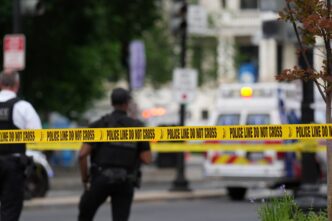
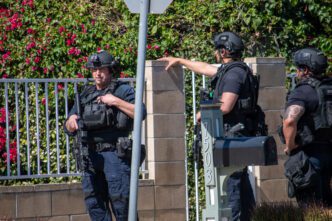
Following the military strike, criminal organizations responded with “narcobloqueos,” or narco-blockades. Authorities recorded over 200 street blockades and vehicle fires intended to impede law enforcement and sow panic. While officials report that these blockades have since been cleared, thousands of travelers remain under shelter-in-place orders or unable to secure transport out of the region.
Timothy and Dixie Fitzpatrick, residents of Adrian, Michigan, were vacationing in Puerto Vallarta when the violence erupted. The couple, who departed for their trip on Valentine’s Day, described a dramatic shift in the security atmosphere. “It’s just a shock. It’s amazing to see it in real life. It’s like something you’d watch in a movie,” Timothy Fitzpatrick stated in an interview regarding the events.
The Fitzpatricks, frequent visitors to Mexico over the past two decades, noted this was the first instance they feared for their safety. They reported witnessing helicopters hovering over their accommodation and nearby roads being obstructed for hours. According to their account, individuals hijacked a vehicle across from their location, dousing it with gasoline before setting it ablaze.
Dixie Fitzpatrick indicated that while transportation options remain severely limited, hotel staff and guests are adapting to the resource scarcity. She noted that a heavy police presence has provided some reassurance to those sheltering at the hotel. “Police were there 24/7 standing outside. That made us feel a lot safer too,” she said. Although airports and major roadways are reopening, flight availability remains scarce as authorities work to fully restore order.
Geopolitical Security Assessment
The elimination of a high-value target such as Nemesio Rubén Oseguera Cervantes represents a significant tactical victory for Mexican and U.S. security forces but carries immediate stabilizing risks. Historically, the removal of a top-tier cartel figure often creates a power vacuum, leading to short-term spikes in violence as factions vie for control or retaliate against state infrastructure. For the tourism sector in regions like Jalisco, these ‘decapitation’ strategies necessitate heightened travel advisories and robust contingency planning for foreign nationals. The coordination between U.S. intelligence and Mexican military units underscores the continued bilateral focus on dismantling transnational criminal organizations, despite the collateral disruption to civilian movement and commerce.