
Executive Summary
- Kameron Mearidy has been charged with First Degree Robbery for a May 2023 incident in Columbia.
- Investigators linked Mearidy to the crime scene using DNA recovered from a Gatorade bottle.
- The suspect is currently incarcerated at Potosi Correctional Center on unrelated charges.
- Mearidy has denied involvement in the robbery during questioning.
Prosecutors have charged a current prison inmate with armed robbery in connection with a 2023 hold-up at a Columbia liquor store, following a DNA match from a discarded beverage bottle found at the scene. According to court documents filed in the case, Kameron Mearidy faces charges of First Degree Robbery, Armed Criminal Action, and Unlawful Use of a Weapon.
The incident in question occurred on May 24, 2023, at a business located in the 2100 block of Corona Road. A store employee reported to police that a man entered the establishment and purchased a Gatorade. The individual subsequently returned to the store, brandished a firearm, and demanded all the currency from the register.
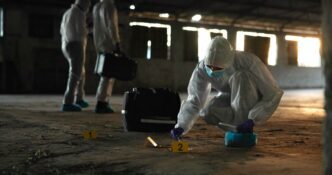
Crime scene investigators processing the location discovered a partially consumed Gatorade bottle outside the store. The evidence was submitted to the Missouri State Highway Patrol Lab for forensic analysis. According to court filings, the DNA profile obtained from the bottle matched that of Mearidy.
On January 23, 2026, investigators interviewed Mearidy at the Potosi Correctional Center, where he is currently serving a five-year sentence for assault and receiving stolen property. During the interview, Mearidy denied visiting the liquor store or purchasing the sports drink. It is important to note that all individuals are presumed innocent until proven guilty in a court of law.
Investigative Outlook
The filing of charges nearly three years after the initial incident underscores the critical role of forensic science in resolving cases that might otherwise remain dormant. By utilizing the Combined DNA Index System (CODIS) or state-level databases, law enforcement agencies can cross-reference crime scene evidence against profiles of incarcerated individuals, effectively closing gaps in unsolved violent crimes and ensuring accountability regardless of the passage of time.