
Executive Summary
- Investigative reports identify the Figueroa Corridor as a brazen hub for human trafficking in Los Angeles.
- Experts define the exploitation as enslavement driven by force, fraud, and coercion.
- Data indicates the average age for victims lured into trafficking is between 12 and 14.
- Advocacy groups highlight grooming and psychological dependency as barriers to escape.
LOS ANGELES – A sustained investigative report has highlighted the Figueroa Corridor as a primary focal point for human trafficking operations in Los Angeles, documenting open solicitation and the coercive methods used by traffickers to control victims. According to an investigation by KABC reporter Kevin Ozebek, the area known locally as “The Blade” presents a persistent challenge to law enforcement, with illicit activities often occurring in full view of police patrols.
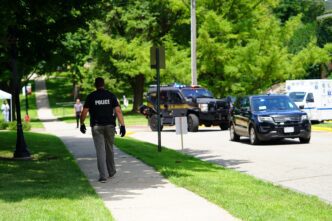
During the production of the special report “Sex in Plain Sight: The Figueroa Corridor,” journalists accompanied police units attempting to combat the trafficking networks. Observations described in the report indicate that women are stationed on street corners at all hours to sell sex, while male traffickers exploit them nearby. The investigation notes the brazen nature of these operations, which persist despite regular police presence in the area.
Tera Hilliard, President and CEO of Forgotten Children, Inc., provided expert analysis regarding the psychological dynamics at play. In an interview with Eyewitness Newsmakers, Hilliard characterized the trafficking occurring on the corridor as a form of enslavement defined by “force, fraud, and coercion.” She emphasized that the individuals trafficked often possess no agency regarding their participation in the sex trade.
Hilliard further detailed the grooming processes that entrap victims, noting that the average age of recruitment into sex trafficking is between 12 and 14 years old. “Traffickers groom them, and they gain their trust. They become the end-all for them, and so as they get older, they’re locked into this lifestyle,” Hilliard stated, explaining the significant barriers victims face when attempting to escape life on the street, even amidst violence.
Societal & Law Enforcement Outlook
The persistence of trafficking on the Figueroa Corridor underscores the complexity of dismantling established criminal networks that rely on deep psychological manipulation and grooming of minors. While law enforcement maintains a visibility strategy to deter solicitation, the insights from advocacy groups suggest that traditional policing alone may not suffice to break the cycle of coercion described by experts. Future efforts likely require a continued integration of tactical enforcement with victim recovery services to address the root causes of entrapment and provide viable exit strategies for those enslaved by the trade.
It is important to note that all individuals detained or accused during anti-trafficking operations are presumed innocent until proven guilty in a court of law.