A Quick Takeaway
The Story Behind the Trend
How to Make It Work for You
The Community View
Unleashing your inner chef by crafting your own healthy, delicious homemade Italian seasoning is a simple yet impactful way to elevate your cooking, offering superior flavor, ingredient control, and cost savings compared to store-bought alternatives. This practical guide empowers anyone who cooks to blend fresh, high-quality dried herbs in their own kitchen, transforming everyday meals into culinary masterpieces. By understanding the core ingredients and their ideal ratios, you gain the power to customize your blend, ensuring every dish benefits from a vibrant, authentic Italian essence that is both healthier and more flavorful.
Why Go Homemade? The Benefits Beyond Taste
Opting to create your own Italian seasoning blend offers a multitude of advantages that extend far beyond just superior taste. It’s a conscious choice for better health, greater control, and smarter spending in your kitchen.
Control Over Ingredients
Store-bought spice blends often contain hidden ingredients like anti-caking agents, excessive sodium, and even artificial flavors or colors. By making your own, you have complete control over every single component, ensuring you’re using only high-quality, pure dried herbs without any unwanted additives or fillers.
Customization for Your Palate
One of the greatest joys of homemade seasoning is the ability to tailor it precisely to your taste preferences. Do you prefer a more basil-forward blend, or perhaps a stronger hint of rosemary? You can adjust the ratios to create a signature blend that perfectly complements your cooking style and family’s preferences, something impossible with pre-packaged options.
Cost-Effectiveness
While the initial outlay for individual dried herbs might seem higher, buying them in bulk and blending them yourself is significantly more economical in the long run. Pre-mixed blends often come with a premium price tag, and making your own reduces packaging waste, aligning with a more sustainable kitchen practice.
Enhanced Flavor Profile
Freshly dried and blended herbs possess a far more potent and vibrant flavor than older, pre-ground varieties found in many commercial blends. When you crush and mix your own, the essential oils are released, resulting in a more aromatic and impactful seasoning that truly brings your dishes to life.
The Core Ingredients: A Symphony of Herbs
The magic of Italian seasoning lies in the harmonious combination of several distinct herbs, each contributing its unique character to the overall blend. Understanding these foundational elements is key to crafting a balanced and flavorful mix.
Essential Herbs
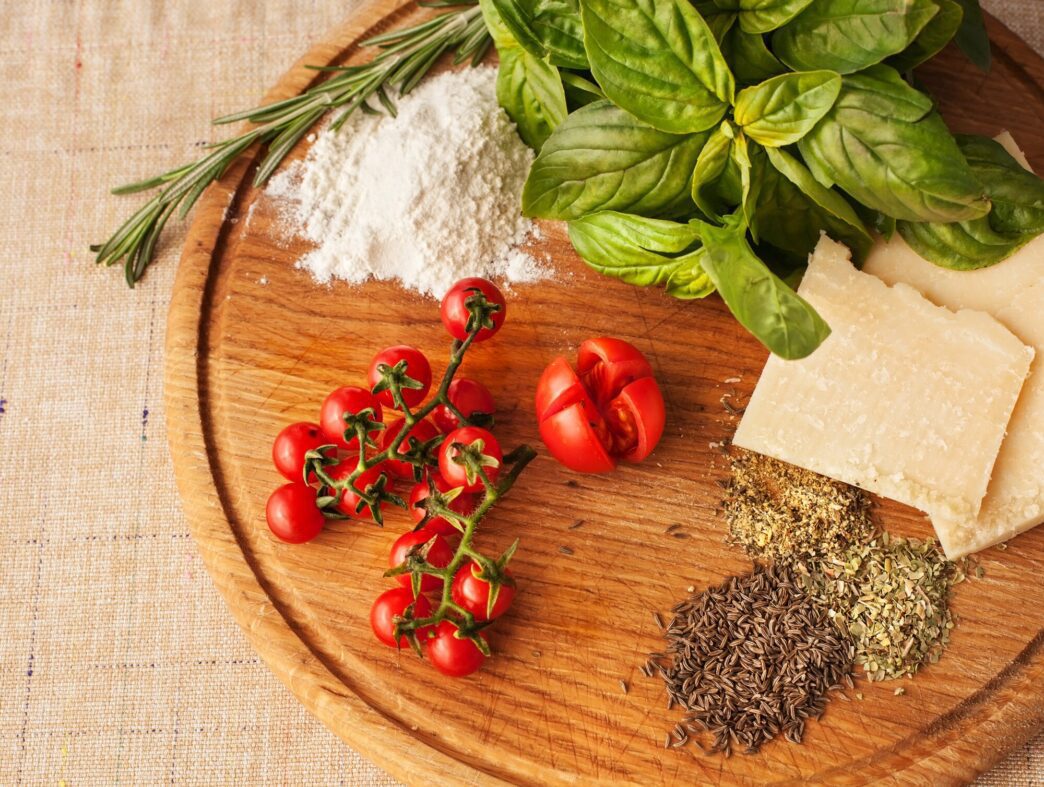
At the heart of any good Italian seasoning are a few non-negotiable herbs. Oregano provides an earthy, slightly bitter, and robust flavor that is unmistakably Italian. Basil contributes a sweet, peppery, and highly aromatic note, essential for that classic Mediterranean taste. Thyme offers woody, floral, and savory undertones, adding depth, while Rosemary brings a pungent, piney, and slightly lemony aroma. Finally, Marjoram, often described as a milder, sweeter version of oregano, rounds out the core, adding a gentle warmth.
Optional Enhancements for Depth and Zest
Beyond the core, several optional ingredients can elevate your blend, adding layers of complexity and a personalized touch. Garlic powder and onion powder introduce savory depth and umami without the moisture of fresh aromatics. A pinch of red pepper flakes can provide a subtle warmth and kick. Dried parsley offers a fresh, clean note, while a touch of dried sage or celery seed can introduce earthy, slightly peppery, or subtle salty undertones, respectively, making your blend truly unique.
Crafting Your Signature Blend: The How-To
Creating your homemade Italian seasoning is a straightforward process that requires minimal effort but yields maximum flavor. Follow these simple steps to assemble your personalized blend.
The Basic Ratio (Starting Point)
A great starting point for a balanced Italian seasoning blend is to use two parts dried oregano, two parts dried basil, one part dried thyme, one part dried rosemary, and one part dried marjoram. For example, you could use two tablespoons of oregano, two tablespoons of basil, and one tablespoon each of thyme, rosemary, and marjoram as your base. Feel free to adjust these ratios based on your personal preferences, adding more of your favorite herbs.
Mixing and Storing
Once you’ve measured out your chosen herbs, combine them thoroughly in a small bowl. Use a whisk or a spoon to ensure all the herbs are evenly distributed, creating a homogenous blend. Transfer your finished seasoning into an airtight container, such as a glass jar with a tight-fitting lid. Store it in a cool, dark place away from direct sunlight and heat, which can degrade the herbs’ flavor and potency. Don’t forget to label your jar with the date it was made to keep track of its freshness.
Tips for Optimal Flavor
To ensure the most vibrant flavor, always start with high-quality, fresh dried herbs; check their expiration dates before use. For an extra burst of aroma, lightly crush the dried herbs with your fingers or a mortar and pestle just before mixing them. This action helps to release their essential oils, intensifying their fragrance and taste. Allowing your freshly made blend to “marry” for a few days before its first use can also deepen and harmonize the flavors.
Beyond Pasta: Versatile Uses for Your Homemade Blend
Your homemade Italian seasoning is incredibly versatile and can be used in countless ways beyond traditional Italian dishes. It’s a pantry staple that will quickly become your go-to for adding flavor to a wide array of meals.
Culinary Applications
Sprinkle your blend generously over roasted vegetables like zucchini, bell peppers, or potatoes for an instant flavor boost. It’s excellent for seasoning various meats, including chicken, fish, and beef, whether grilling, baking, or pan-frying. Mix it into olive oil for a delightful bread-dipping experience or whisk it into homemade salad dressings for a Mediterranean flair. Add it to soups, stews, and sauces to deepen their flavor, or incorporate it into homemade bread, focaccia, or even scrambled eggs for a savory twist.
Embracing the art of crafting your own Italian seasoning is a rewarding step towards a healthier, more flavorful, and more sustainable kitchen. By taking control of your ingredients, customizing to your taste, and enjoying the superior aroma and potency of fresh blends, you unlock a world of culinary possibilities. This simple act not only enhances your dishes but also connects you more deeply with the food you prepare, making every meal a celebration of natural, wholesome flavors.