Executive Summary
- Isaac Leroy Edge, 67, was arrested in Birmingham following a SWAT raid.
- Police seized cocaine, opioids, marijuana, six firearms, and cash.
- The suspect is held on a $3.1 million bond and was already out on bond for 2025 trafficking charges.
A 67-year-old Birmingham resident is being held on a bond exceeding $3 million following a narcotics operation that resulted in the seizure of significant quantities of drugs, firearms, and cash, according to the Leeds Police Department.
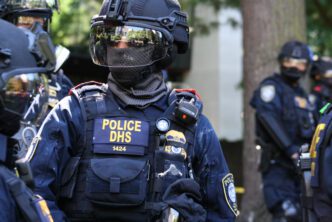
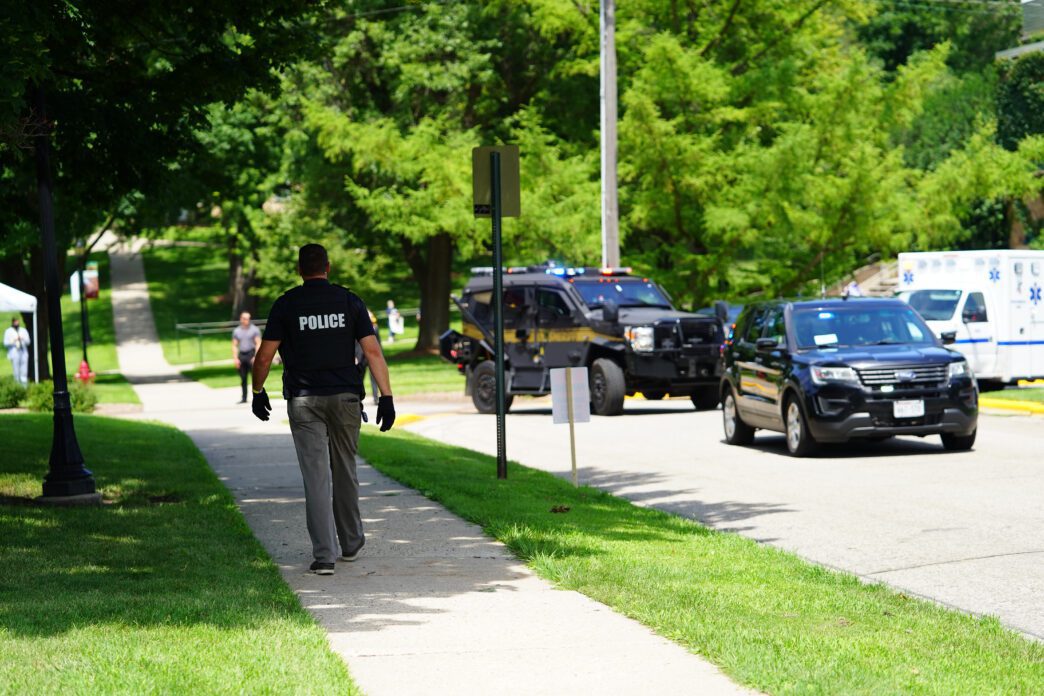
Chief Paul Irwin announced that Isaac Leroy Edge was taken into custody on Tuesday, concluding a lengthy inquiry led by the department’s Special Investigations Unit. Supported by a SWAT team, investigators executed a search warrant at a residence in the 10 block of Second Avenue South in Birmingham.
During the search, authorities reported seizing 1.3 pounds of marijuana, 6.7 ounces of cocaine, 11 ounces of opioids, and 56 Alprazolam pills. In addition to the narcotics, police confiscated six pistols, digital scales, several vehicles, and a large amount of currency, according to official statements.
Chief Irwin stated that at the time of the Tuesday arrest, Edge was already released on bond for drug trafficking charges filed in Jefferson County in 2025. Law enforcement officials noted that the suspect possesses an extensive criminal history dating back to the 1980s.
Edge is now facing two counts of drug trafficking, three counts of unlawful distribution of a controlled substance, first-degree unlawful possession of marijuana, and illegal possession of prescription medication. Additionally, he has been charged as a person forbidden to possess a firearm.
Judicial and Public Safety Context
The substantial bond set in this case reflects the compounded legal severity of allegedly re-offending while on pretrial release for similar felony charges. This arrest highlights the procedural challenges law enforcement faces regarding repeat offenders and bail conditions within the criminal justice system. It is important to note that all individuals are presumed innocent until proven guilty in a court of law.