Executive Summary
- Court documents confirm the civil trial regarding the Raleigh mass shooting will begin on July 6.
- The lawsuit names Austin Thompson, his parents, the Hedingham HOA, and a security company as defendants.
- Plaintiffs are seeking damages based on claims of negligence for failing to prevent the 2022 attack.
- Thompson was sentenced last week to life in prison without parole for the killings of five individuals.
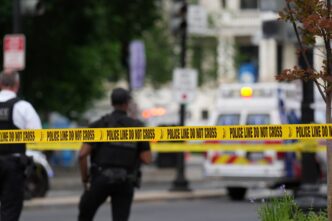
A civil trial regarding the 2022 mass shooting in Raleigh’s Hedingham neighborhood is scheduled to commence on July 6, according to recently filed court documents. The proceedings, which are expected to last approximately two weeks, mark the next phase of legal action following the recent criminal sentencing of the gunman.
The civil lawsuit names several defendants, including the shooter, Austin Thompson, his parents, the Hedingham Homeowners Association, and the security company employed by the community. Plaintiffs in the case are alleging negligence, arguing that these parties failed to take necessary steps to prevent the attack that resulted in multiple fatalities.
This scheduling update comes shortly after the conclusion of the criminal proceedings against Thompson. According to court records, Thompson, who was 15 years old at the time of the shooting, was sentenced last week to life in prison without the possibility of parole. He was convicted for the murders of five people, including his brother and a police officer.
Civil Liability Proceedings
The upcoming trial shifts the legal focus from criminal culpability to civil liability and financial restitution. While the criminal justice system has addressed the direct actions of the shooter, this civil litigation will examine the broader scope of responsibility, specifically scrutinizing the standard of care expected of parents and community management organizations in preventing such tragedies.
It is important to note that in civil litigation, allegations of negligence against parties such as the parents and the HOA must be proven by a preponderance of the evidence, and liability has not yet been established in court.