Executive Summary
- FBI and St. Paul police are investigating an ICE arrest that left a detainee with eight skull fractures.
- ICE officials claim the suspect fell while fleeing, while the detainee alleges he was beaten with a baton.
- Medical experts stated the injuries are inconsistent with a fall, citing fractures on all sides of the skull.
- Crucial surveillance footage may be lost because investigators did not request it before systems overwrote the data.
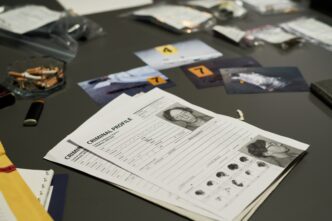
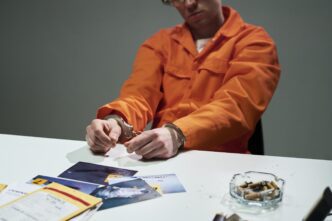
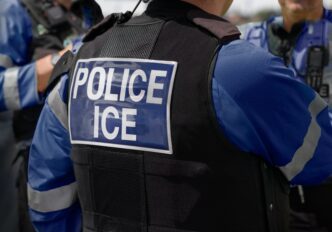
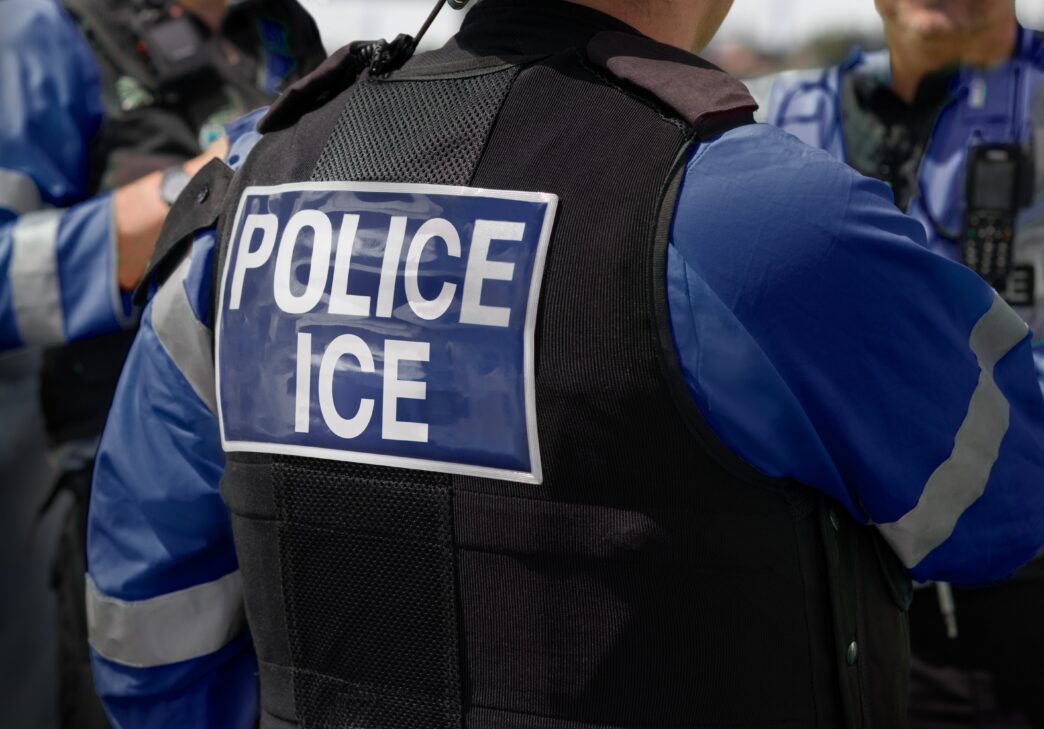
Minnesota and federal authorities have launched a joint investigation into the arrest of a Mexican national by Immigration and Customs Enforcement (ICE) officers, following allegations of excessive force that resulted in severe cranial injuries. Alberto Castañeda Mondragón, 31, was admitted to an intensive care unit with eight skull fractures after being taken into custody in St. Paul last month.
According to the Associated Press, investigators from the St. Paul Police Department and the FBI recently canvassed the shopping center parking lot where the incident occurred. Mondragón alleges that federal agents removed him from a vehicle, threw him to the ground, and repeatedly struck him in the head with a steel baton. In contrast, ICE officials released a statement asserting that Mondragón attempted to flee while handcuffed and “fell and hit his head against a concrete wall.”
Medical professionals who treated Mondragón at a Minneapolis hospital stated that the injuries were inconsistent with the agency’s account of a fall. A CT scan reportedly revealed fractures to the front, back, and both sides of the skull, accompanied by brain hemorrhaging. A doctor informed the Associated Press that such extensive trauma could not plausibly result from a single fall.
The investigation has encountered obstacles regarding the preservation of evidence. Investigators requested surveillance footage from nearby businesses weeks after the January 8 arrest. Business owners, including Johnny Ratana of TeePhay Market, indicated that security camera systems typically overwrite data after 30 days, meaning potential video evidence may have been lost due to the delay in law enforcement inquiries.
Tricia McLaughlin, a Department of Homeland Security spokesperson, stated the operation was a targeted enforcement against a visa overstay. However, court filings from January 20 contradict this, suggesting ICE officers only determined Mondragón’s immigration status after he was already in custody.
Investigative Oversight and Procedural Implications
This inquiry highlights significant challenges in inter-agency accountability and the preservation of digital evidence in use-of-force cases. The involvement of the FBI suggests a focus on potential civil rights violations, occurring against the backdrop of a separate federal probe into allegations of false testimony by ICE officers in a different Minneapolis case. The loss of surveillance footage due to reporting delays underscores a critical procedural gap that may hinder the ability of prosecutors to definitively establish the sequence of events. It is important to note that all individuals and officers involved in the investigation are presumed innocent of any criminal misconduct until proven guilty in a court of law.