Executive Summary
- Family of Everard Walker to sue Hartford after fatal police shooting during mental health call.
- Body camera footage shows Walker holding a knife; encounter lasted one hour.
- Attorney Ken Krayeske alleges police escalated a minor medical call into a fatal event.
- Inspector General is investigating if the use of force was justified.
HARTFORD, Conn. – The family of 53-year-old Everard Walker has announced intentions to file a wrongful death lawsuit against the City of Hartford after he was shot and killed by police officers during a response to a mental health crisis last Thursday. According to the family, the incident began when they contacted 211 for medical assistance because Walker had run out of his medication.
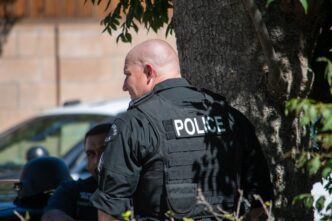
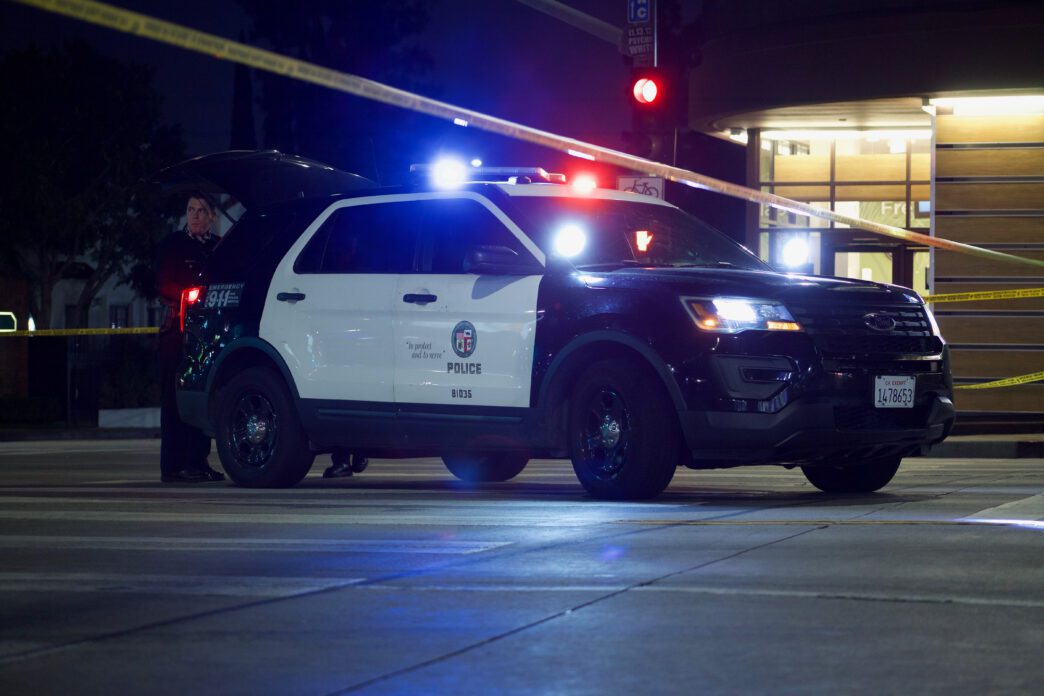
The Capitol Region Mental Health Team arrived at the scene on Capitol Avenue alongside Hartford police officers. The subsequent encounter reportedly lasted approximately one hour. Preliminary investigative evidence, including body camera footage, shows Walker holding a knife. In the video, officers can be heard commanding Walker to drop the weapon prior to discharging their firearms.
The Office of the Chief Medical Examiner reported that Walker was struck three times, and the manner of death was ruled a homicide. Attorney Ken Krayeske, representing the family, argued that the police response was disproportionate to the situation. "The Hartford Police escalated a minor mental health call into a fatal encounter that ended in a barrage of bullets," Krayeske stated, asserting the family’s intent to seek justice.
Linda Gray, Walker’s longtime partner, described the emotional impact of the loss, characterizing Walker as a provider and "healer" for the family. Hartford City Councilman Josh Michtom also commented on the event, suggesting that the city must improve its methods for addressing mental health needs without relying on armed responses.
Investigative Outlook
The Connecticut Office of the Inspector General is currently conducting an independent investigation to determine whether the use of deadly force was justified under state law. This inquiry will examine the tactical decisions made during the standoff and the specific threat posed at the moment shots were fired. The final report, which could take months to complete, will be a critical component in both the criminal assessment of the officers’ conduct and the impending civil litigation.
It is important to note that while the death has been ruled a homicide by the medical examiner, this determination indicates death at the hands of another and does not automatically imply criminal liability; all involved officers are presumed innocent of criminal wrongdoing until proven guilty in a court of law.