Executive Summary
- Immigration arrests nearly tripled in Kansas and rose 76% in Missouri through October 2025 following new executive orders.
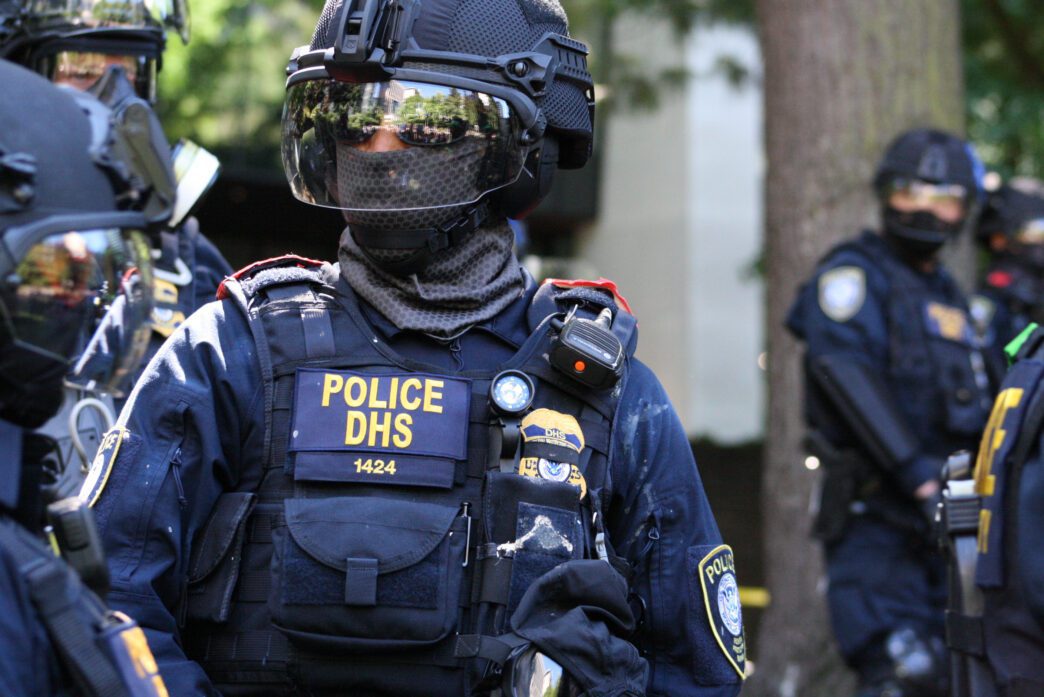
- Homeland Security Investigations (HSI) agents are increasingly conducting immigration arrests alongside standard enforcement units.
- A federal judge ruled that 11 out of 12 arrests conducted during a restaurant raid in Liberty, Mo., were unlawful.
- New DHS guidance reportedly allows forced entry into homes using administrative warrants, drawing criticism from legal experts.
Immigration enforcement operations have expanded significantly across the Kansas City metropolitan area, with arrests nearly tripling in Kansas and increasing by 76 percent in Missouri between January and mid-October 2025, following executive orders issued by President Donald Trump. The surge in activity aligns with a national directive establishing a minimum daily quota of 3,000 arrests, prompting a strategic shift in how federal agents operate within local communities.
According to an analysis of ICE records by KCTV5, approximately one in three arrests in the region occurred within the Kansas City metro area. While ICE Director Todd Lyons stated on CBS’s Face the Nation that the agency prefers to focus resources on taking individuals into custody within jails, operations have increasingly moved into the public sphere. Data indicates that community arrests in Kansas City rose from 12 percent of total apprehensions to 20 percent in 2025.
This operational expansion has included the deployment of Homeland Security Investigations (HSI) agents to execute immigration arrests. Typically tasked with investigating transnational crimes such as human trafficking and drug smuggling, HSI agents have been observed leading operations previously managed by Enforcement and Removal Operations (ERO). Trinidad Raj Molina, an organizer for Advocates for Immigrant Rights and Reconciliation (AIRR), noted that HSI agents led a raid at El Potro restaurant in Liberty, Missouri, in February 2025. Court documents revealed that agents targeted one individual with a felony narcotics conviction but arrested 12 people. A federal judge later ruled that 11 of those arrests were unlawful.
The enforcement strategy has also sparked legal controversy regarding the use of administrative warrants. A memo reportedly signed by Director Lyons and dated May 12, 2025, obtained by the Associated Press, indicates that the Department of Homeland Security (DHS) now authorizes officers to forcibly enter homes using only administrative warrants if pursuing an individual with a final removal order. Legal experts, including Kansas City immigration attorney Andrea Martinez, contend that this practice violates the Fourth Amendment, as administrative warrants—unlike judicial warrants signed by a judge—typically do not grant authority to enter private property without consent.
The Department of Homeland Security defended its practices in a statement, asserting that officers find probable cause before issuing administrative warrants and that the subjects have had due process. However, local attorneys argue that the guidance lacks specific legal authority and anticipate immediate court challenges. Concurrently, local law enforcement collaboration is expanding, with more than 50 agencies in Kansas and Missouri participating in the 287(g) program, which allows local officers to receive training on enforcing aspects of immigration law.
Constitutional and Operational Implications
The integration of HSI agents into routine immigration enforcement and the reported authorization of forced entry via administrative warrants represent a significant escalation in federal enforcement powers. Legal analysts anticipate robust challenges regarding Fourth Amendment protections, particularly concerning the distinction between administrative and judicial warrants in the context of private property rights. As the judiciary begins to rule on the legality of collateral arrests—as seen in the El Potro case—the outcome of these legal battles will likely define the boundaries of federal immigration authority in the coming years. It is important to note that all individuals charged with crimes are presumed innocent until proven guilty in a court of law.