Executive Summary
- Judge Matthew Sharbaugh paused the acceptance of a federal indictment against Brian Cole Jr. due to ongoing legal appeals.
- The legal dispute centers on whether D.C. Superior Court grand juries have the authority to indict on federal charges.
- Prosecutors argued for continued detention, citing evidence that the suspect wiped his phone over 900 times.
- Defense attorneys requested release based on the suspect’s autism diagnosis and proposed strict supervision by his grandmother.
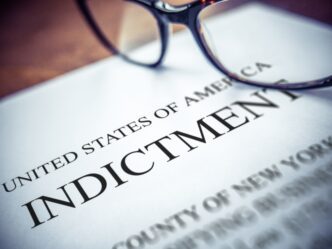
A federal magistrate judge in Washington, D.C., declined to immediately accept an indictment against the suspect accused of planting pipe bombs outside national political party headquarters in January 2021, citing unresolved legal questions regarding the grand jury’s authority. During a hearing on Tuesday, Judge Matthew Sharbaugh confirmed that while a local D.C. Superior Court grand jury had secured a federal indictment against Brian Cole Jr., he could not formally accept it due to pending litigation concerning the validity of the procedural mechanism used by prosecutors.
Judge Sharbaugh noted that the Department of Justice’s decision to seek federal charges through a local grand jury is currently the subject of debate within the district’s courts. The central legal question is whether the D.C. code empowers local grand juries to issue indictments for federal crimes. According to court records, Chief U.S. District Judge James Boasberg previously ruled that prosecutors possess the discretion to choose between local and federal forums but subsequently paused his order to allow the U.S. Court of Appeals to issue a definitive ruling. Judge Sharbaugh described this legal impasse as an "extraordinary circumstance" justifying a delay in the preliminary hearing.
Separately, the court heard arguments regarding whether Cole should remain detained pending trial. Assistant U.S. Attorney Charles Jones argued against release, stating that Cole had wiped his cellular phone 943 times since December 2020 and continued to purchase materials used for bomb-making through mid-2022. Prosecutors contended that these actions indicated a calculated effort to destroy evidence and posed a continued threat to public safety. "This is not a case that involves an isolated, impulse act," Jones stated in court.
Defense attorneys advocated for Cole’s release, pointing to his lack of criminal history since the incident and his medical diagnoses of autism and obsessive-compulsive disorder. Attorney Mario Williams argued that Cole’s behavior must be viewed in context and emphasized that the suspect follows a strict daily routine. The defense proposed a release plan involving GPS monitoring, travel restrictions, and home detention under the supervision of Cole’s grandmother, who testified she would report any violations to the court.
Procedural Legal Implications
The judicial hesitation to process the indictment underscores the complex jurisdictional architecture of the nation’s capital, where the interplay between local and federal courts can create unique procedural hurdles. The forthcoming appellate decision on grand jury authority will likely set a critical precedent regarding the scope of prosecutorial powers in the District of Columbia, potentially affecting how federal cases are brought in future proceedings. Until the appellate court resolves the dispute, the prosecution of this high-profile case remains in a procedural holding pattern. It is important to note that all individuals are presumed innocent until proven guilty in a court of law.