Executive Summary
- Michelle Manning, 31, was fatally injured when her vehicle was struck by a CSX train at the County Road 433 crossing in Chelsea, Alabama.
- The railroad crossing is equipped with static signage but lacks active safety measures such as gates or flashing lights.
- CSX asserted that the authority to install warning devices lies with state highway authorities and the Federal Highway Administration, not the railroad.
- Local officials and county commissioners have offered conflicting statements regarding jurisdictional responsibility for the roadway sections leading to the tracks.
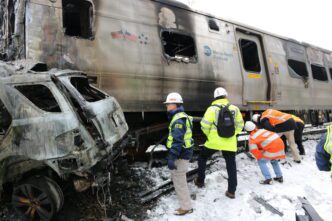
A collision between a CSX train and a passenger vehicle claimed the life of a 31-year-old woman Tuesday night in Chelsea, Alabama, prompting conflicting statements from local and corporate entities regarding responsibility for safety infrastructure at the crossing.
According to the Alabama Law Enforcement Agency (ALEA), the crash occurred at the County Road 433 railroad crossing. The victim, identified by the Shelby County Coroner as 31-year-old Michelle Manning of Birmingham, sustained fatal injuries when the train struck her vehicle. Investigators confirmed that no members of the train crew were injured during the incident.
The crossing in question is currently marked with advance warning signage and a railroad crossing sign accompanied by a stop sign. However, the site lacks active safety mechanisms, such as crossing gates or flashing warning lights. This absence of active deterrents has become a focal point of the post-accident inquiry.
In the aftermath of the crash, questions regarding oversight have emerged. Chelsea city officials stated that County Road 433 falls under county jurisdiction. Conversely, Shelby County Commissioner Jon Parker stated that the county does not exercise control over railroad crossings, noting that county paving crews are required to stop work short of the tracks.
CSX issued a statement extending sympathies to those impacted but firmly delineating responsibility for infrastructure upgrades. “Decisions to install warning devices at public grade crossings are made by state highway authorities, not by the railroad, and approved by the Federal Highway Administration,” the company stated, citing federal definitions of grade crossing signals as traffic control devices. The Alabama Department of Transportation (ALDOT) has not yet issued a comment regarding their role in evaluating the site.
Infrastructure Liability and Safety Protocol
This incident underscores a critical gap in infrastructure liability management where the intersection of municipal, county, and private railroad rights-of-way creates administrative ambiguity. While the Federal Highway Administration defines the regulatory standards for grade crossing signals, the practical execution of safety assessments often faces challenges due to unclear jurisdictional boundaries between local public works departments and state transportation agencies. The absence of active warning devices at a crossing with a reported history of incidents suggests a potential misalignment between traffic volume growth and existing safety audits, likely necessitating a formal diagnostic review by state authorities to determine if current signage meets federal safety warrants.