
Executive Summary
- Legal experts cite a risk of collusion due to the lack of immediate arrests following the fire.
- Concerns have been raised regarding the delay in searching the premises and managers’ homes.
- The fire at Le Constellation bar in Crans-Montana resulted in 40 deaths and 116 injuries.
- Potential charges may escalate from negligence to intentional offenses if risk awareness is proven.
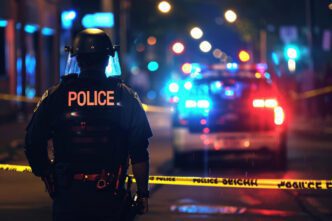
A prominent legal expert has expressed serious concerns regarding the criminal investigation into the deadly New Year’s Eve fire at a bar in Crans-Montana, Switzerland, which claimed 40 lives. Alain Macaluso, director of the Centre for Criminal Law at the University of Lausanne, questioned the decision by authorities not to immediately detain the establishment’s managers or conduct extensive searches, citing potential risks to the integrity of the inquiry.
The blaze at Le Constellation bar occurred during early New Year celebrations, reportedly igniting soundproofing foam on the ceiling. The incident resulted in the deaths of 40 people, primarily teenagers, and left 116 others wounded, many with serious burns. Despite the scale of the tragedy, lawyers representing the victims have expressed astonishment that the owners of the establishment remain at liberty.
In an interview with AFP, Macaluso highlighted the procedural anomalies observed in the initial phase of the investigation. He noted that the first few hours following such a tragedy are critical for preserving evidence and preventing collusion between involved parties. According to Macaluso, the lack of immediate detention allows for potential interference in the gathering of facts, while the apparent absence of rapid searches of company premises and managers’ homes raises further questions about evidence preservation.
The investigation has also drawn criticism for excluding some plaintiffs from hearings, a decision justified by authorities on the grounds of speed and preventing leaks. Macaluso described these justifications as unconvincing, emphasizing that a case of this magnitude requires absolute transparency and strict adherence to procedural rules to maintain public confidence in the justice system.
Legal experts suggest that while current charges likely focus on negligence, the scope could expand as the investigation progresses. Information emerging from social media and journalists, including a 2019 video warning of risks related to the acoustic foam, could suggest a heightened awareness of danger. Macaluso indicated that if knowledge of the risk is proven, charges could escalate to manslaughter, grievous bodily harm, or arson, shifting the legal framework from simple negligence to intentional offenses.
Legal Ramifications
The distinction between negligence and intent carries significant weight in the Swiss judicial system, determining the severity of potential sentencing. While manslaughter by negligence carries a maximum sentence of three years—often resulting in suspended fines—intentional crimes such as murder carry a minimum of five years and up to twenty years in prison. This case also highlights the complexities of liability; while Swiss municipalities cannot be criminally prosecuted, individual officials may still face liability if a failure to prevent damage is established. It is important to note that all individuals involved in the investigation are presumed innocent until proven guilty in a court of law.