
Executive Summary
- Tarrant County DA Phil Sorrells has launched a Cold Case Task Force to address unsolved homicides.
- The unit will utilize advanced DNA technology and digital forensics in collaboration with local police.
- The initiative follows the successful 2020 resolution of the 1974 Carla Walker murder case.
- Senator John Cornyn has proposed the "Carla Walker Act" to federally fund forensic genetic genealogy.
TARRANT COUNTY, Texas – Tarrant County District Attorney Phil Sorrells announced on January 15 the establishment of a specialized Cold Case Task Force aimed at resolving unsolved homicides and violent crimes through advanced forensic methodologies. The initiative seeks to leverage developments in DNA technology and digital forensics to close cases that have remained open for years, according to a statement released by the District Attorney’s office.
The newly formed task force is designed to facilitate collaboration between the District Attorney’s office, local police departments, and forensic laboratories. According to District Attorney Sorrells, the unit will focus on utilizing modern investigative tools to identify offenders and secure justice for victims and their families. "This task force isn’t simply an investigative unit," Sorrells stated. "It’s a promise to victims, families, and Tarrant County residents that justice will always be pursued here."
The efficacy of advanced forensic technology in Tarrant County was notably demonstrated in the resolution of the Carla Walker case, which remained unsolved for over four decades. Walker, 17, was abducted and murdered following a high school dance in 1974. The case was reopened in 2019, utilizing advanced DNA testing to match evidence found on Walker’s clothing to Glen McCurley.
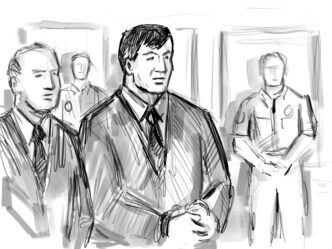
According to court records, McCurley was arrested in 2020 and pled guilty to the murder in 2021, three days into his trial. He was sentenced to life in prison and subsequently died while incarcerated at the age of 80. Sorrells cited this case as a foundational example for the new initiative, stating, "Testing is the key to finding justice for families."
The announcement coincides with legislative efforts at the federal level, specifically the "Carla Walker Act" proposed by U.S. Senator John Cornyn. If enacted, the legislation would provide federal grant funds to support forensic genetic genealogy DNA analysis, assisting law enforcement agencies in solving cold cases nationwide.
Investigative Outlook
The institutionalization of a dedicated Cold Case Task Force in Tarrant County signifies a strategic shift in law enforcement resource allocation, moving forensic genetic genealogy from a sporadic tool to a standard operational procedure for dormant investigations. By formalizing partnerships between prosecutors and forensic experts, the District Attorney’s office aims to streamline the complex process of re-examining biological evidence. This initiative not only serves to clear case backlogs but also acts as a deterrent, signaling that the passage of time does not provide immunity from prosecution for violent crimes.