Executive Summary
- "Operation Clean House" resulted in over 50 arrests in Columbus, Ohio, over a six-day period.
- The operation targeted wanted fugitives living in government-subsidized housing.
- Agencies involved included the U.S. Marshals, HUD OIG, and the Franklin County Sheriff’s Office.
- Charges against those arrested include rape, felony strangulation, and drug trafficking.
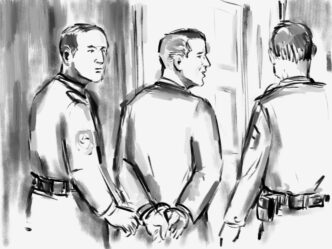
COLUMBUS, Ohio — Federal authorities and local law enforcement agencies announced the arrest of more than 50 individuals following a targeted six-day sweep in Columbus known as "Operation Clean House," according to statements from the U.S. Marshals Service.
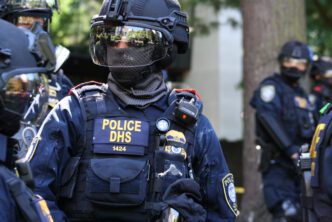
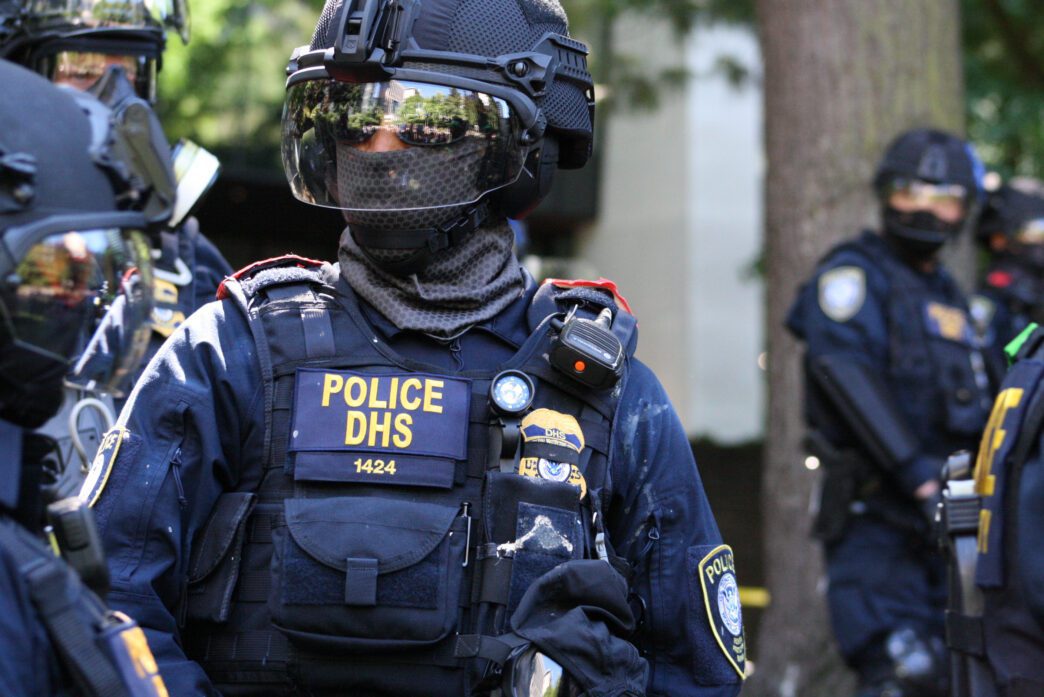
The operation, which concluded after two weeks of activity, specifically prioritized locating wanted fugitives believed to be residing in government-subsidized housing. The initiative was a collaborative effort led by the Southern Ohio Fugitive Apprehension Strike Team (SOFAST) in conjunction with the U.S. Housing and Urban Development Office of Inspector General (HUD OIG), the Franklin County Sheriff’s Office (FCSO), and the Ohio State Highway Patrol.
According to the official release, the sweep successfully located and apprehended numerous suspects facing serious charges. Authorities identified specific individuals taken into custody, including Vincente Bonilla-Ramos, sought by the FCSO for failure to register as a sex offender, and Javon McCarty, wanted by the Huron County Sheriff’s Office on charges of rape. Officials also arrested Earl Scott on a warrant for felony strangulation issued by the Columbus Division of Police, and Chelsea Murphy, who was wanted for drug trafficking and child endangerment.
Sheriff Dallas Baldwin emphasized the necessity of federal and state partnerships in executing warrants of this volume. "The success of this operation is a direct result of outstanding interagency cooperation. Working with the U.S. Marshals Service and HUD, we were able to serve arrest warrants and remove dangerous individuals from our community safely and effectively," Baldwin stated.
Operational Impact and Public Safety
This large-scale sweep illustrates the strategic reliance on multi-jurisdictional task forces to address warrant backlogs, particularly those involving violent offenses and vulnerable residential sectors like subsidized housing. By integrating federal resources from HUD OIG with local enforcement power, authorities are signaling a specific focus on maintaining safety standards within government-assisted living communities. The operation underscores a proactive approach to fugitive apprehension, prioritizing high-risk individuals to mitigate potential threats to public safety. It is important to note that all individuals arrested are presumed innocent until proven guilty in a court of law.