Executive Summary
- Ypsilanti City Council debated a resolution to condemn police tactics used in a 30-hour standoff.
- The proposed resolution called for dropping charges and suspending mutual-aid SWAT agreements.
- Police reportedly used flashbangs, tear gas, and structural demolition to end the barricade.
- Mayor Nicole Brown cited liability concerns and the need for a completed investigation before voting.
- Sheriff Alyshia Dyer has promised transparency regarding the chain of command and tactics used.
Ypsilanti city officials deliberated on Tuesday regarding a proposed resolution to formally condemn law enforcement tactics employed during a recent 30-hour standoff, ultimately deciding to postpone a vote while the investigation remains active. The debate occurred during a city council meeting held at Eastern Michigan University to accommodate a large crowd of residents expressing concern over the police response.
Councilmember Amber Fellows introduced the resolution, which characterized the incident on the 1100 block of West Cross Street as a “militarized police siege.” According to city records, the resolution called for the dismissal of all charges against the 53-year-old suspect and the suspension of mutual-aid agreements that permit county or state SWAT teams to operate within the city. Fellows argued that the response represented a systemic failure to provide non-violent care to an individual in crisis.
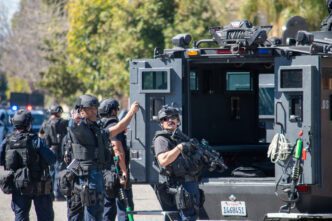
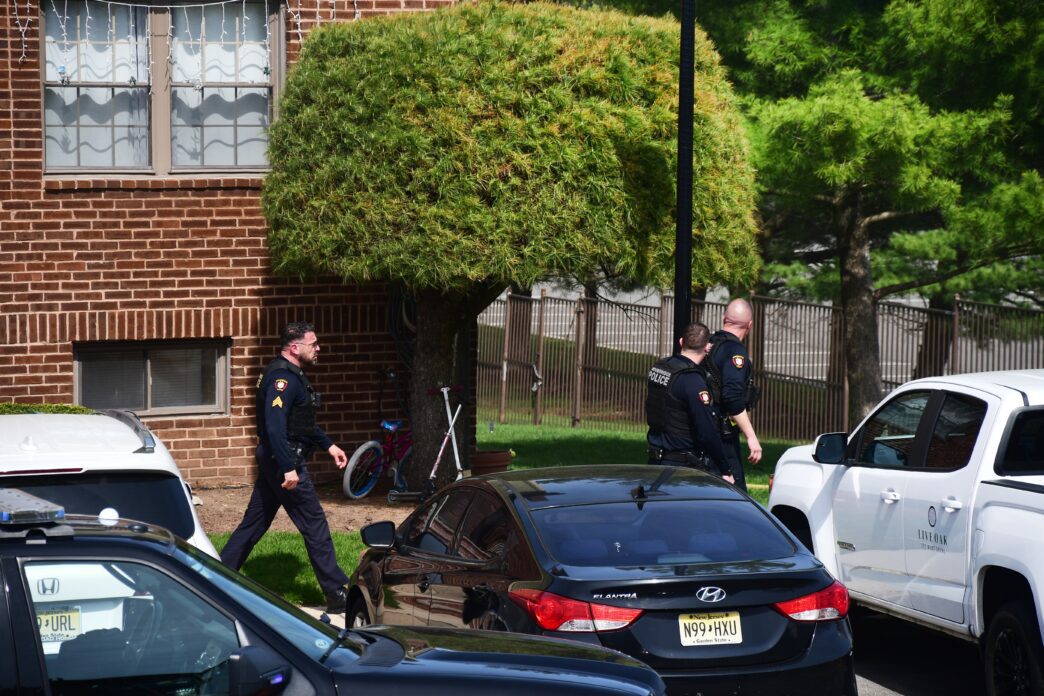
The standoff, which spanned from January 4 to January 5, began when police responded to a neighbor dispute. According to statements from the Washtenaw County Sheriff’s Office, officers encountered a man armed with a sword who subsequently barricaded himself inside the residence. Law enforcement officials stated that the Washtenaw County Crisis Response Team attempted to negotiate before the Metro SWAT team was deployed.
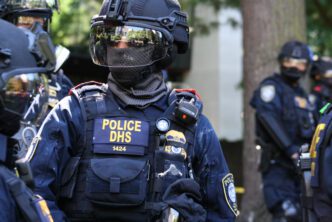
Witnesses and residents at the meeting described the use of flashbangs, tear gas, and a fire truck hose during the operation. The tactical response reportedly resulted in significant damage to the home, including the partial demolition of the second floor, displacing a first-floor resident. Community members expressed outrage at the level of force used, with some calling for the demilitarization of local law enforcement.
Ypsilanti Mayor Nicole Brown acknowledged the severity of the situation but emphasized the necessity of obtaining full information before the council takes legislative action. Brown noted the city must consider liability issues and avoid making decisions without a complete scope of the facts. Councilmember Me’Chelle King echoed these sentiments, advocating for accountability once the investigation is concluded.
Washtenaw County Sheriff Alyshia Dyer issued a statement requesting patience, promising transparency regarding the chain of command and de-escalation efforts once accurate information is compiled. The investigation is ongoing, and officials have not yet released a full after-action report.
Procedural Oversight and Public Safety
The council’s decision to delay the vote highlights the administrative challenges inherent in balancing immediate community grievances with due process and municipal liability. As the internal investigation proceeds, the inquiry will likely focus on the proportionality of the tactical assets deployed, specifically the authorization for structural demolition and the use of chemical agents in a residential area. The outcome may set a precedent for how the city manages future mutual-aid agreements and crisis response protocols. It is important to note that the individual involved in the standoff is presumed innocent until proven guilty in a court of law.