Executive Summary
The Story So Far
Why This Matters
Who Thinks What?
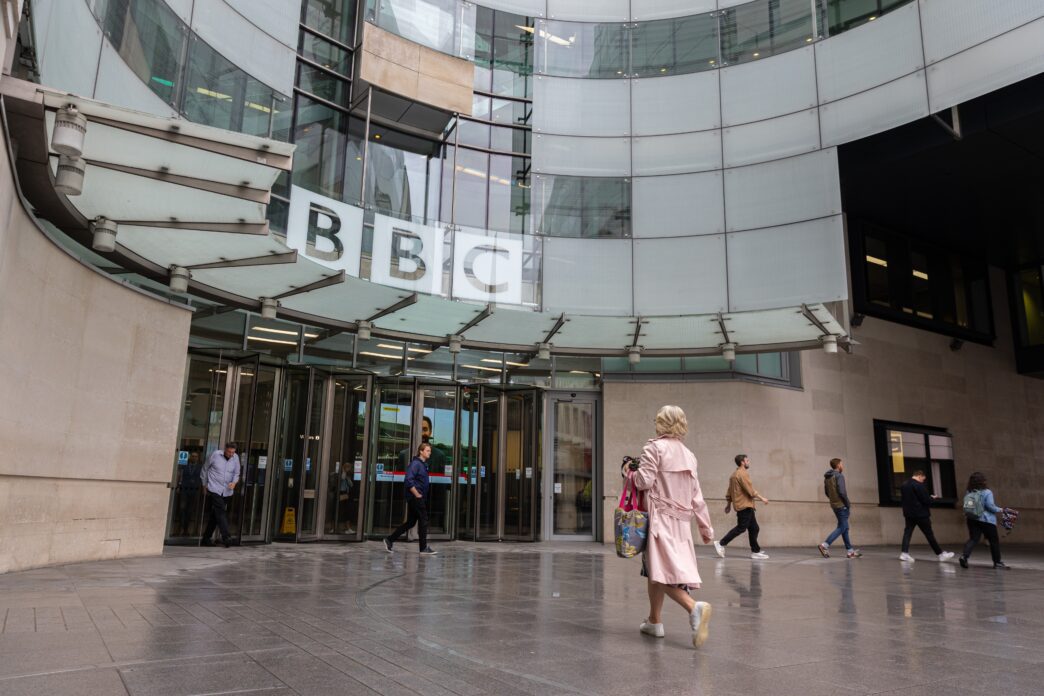
The British Broadcasting Corporation (BBC) has rejected a $1 billion defamation claim from Donald Trump, despite apologizing for an editing error in a documentary that combined two clips from his January 6, 2021, speech. The broadcaster stated on Thursday, November 13, 2025, that while it sincerely regrets the editing, it strongly disagrees there is a basis for a defamation claim. This response signals the BBC’s intent to fight rather than settle under political pressure from Trump.
BBC Rejects Defamation Claim
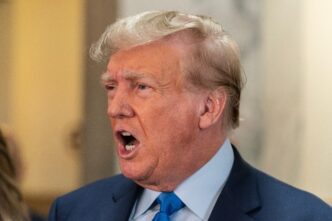
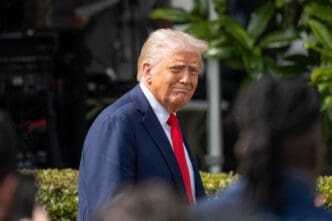
The BBC’s public stance comes after Trump’s lawyers sent a demand letter, alleging “overwhelming financial and reputational harm” to the former president. The incident involved the BBC’s “Panorama” newsmagazine program, which aired a documentary in October 2024 containing the editing mistake. The error stitched together different parts of Trump’s speech ahead of the U.S. Capitol insurrection and was publicized last week.
The controversy led to the resignations of outgoing BBC Director General Tim Davie and BBC News chief Deborah Turness on Sunday, November 10, 2025, who cited the need for leadership accountability. BBC chair Samir Shah later acknowledged an “error in judgment” regarding the clip. Legal experts have largely dismissed the $1 billion claim as having a low likelihood of success.
Context of Legal Pressure
This confrontation is part of a broader pattern of legal pressure applied by Trump against major media companies in the United States. While some outlets, including Disney and Paramount, have opted to settle similar demands, others like The New York Times and The Wall Street Journal have chosen to defend themselves in court. Joel Simon, founding director of the Journalism Protection Initiative, views the BBC’s decision as a stand against Trump’s “intimidation, bluster and threats.”
Unlike some US media companies that made payments towards Trump’s future presidential library as part of settlements, a senior BBC source indicated there would be no such payout or secret side deal from the British broadcaster. The BBC, being primarily funded by British taxpayers through license fees, would be required to publicly disclose any such financial arrangement. The broadcaster’s own news coverage emphasized its rejection of Trump’s compensation demands.
Media executives often weigh the praise garnered by fighting against the potentially costly and unpredictable nature of court battles. The New York Times, for example, successfully had an initial Trump lawsuit thrown out. However, some have observed that Trump sometimes moves on to new targets if a media company demonstrates resilience, as seen when Disney reinstated late-night host Jimmy Kimmel after a brief suspension.
Defending Independent Journalism
The BBC’s clear refusal to entertain a defamation payout marks a significant moment in the ongoing challenges between Donald Trump and news organizations striving for independent reporting. By publicly rejecting the compensation demands, the British broadcaster has reaffirmed its commitment to defending its journalism against external pressure.