Executive Summary
- Dallas County GOP’s decision to separate primaries has led to physically divided polling stations.
- Voters express concern over the loss of privacy due to public declaration of party affiliation.
- Uneven voter turnout has caused logistical bottlenecks, with machines for one party sitting idle while lines form for the other.
- Election Day procedures on March 3 will require voters to use assigned precincts, differing from early voting rules.
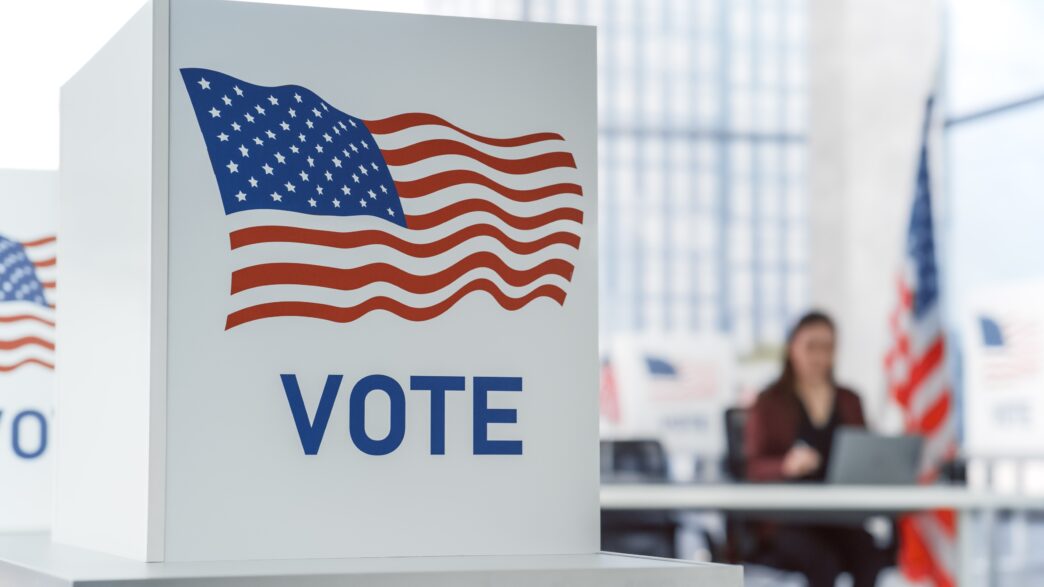
Voters in Dallas County are navigating a restructured primary election process marked by physical separation between Republican and Democratic polling operations, a shift that has sparked complaints regarding privacy and operational delays. The new protocols, active during the ongoing early voting period, require residents to utilize distinct check-in tables and voting machines based on their party affiliation, effectively segregating polling locations.
The administrative change stems from a decision by the Dallas County Republican Party to break from the tradition of a jointly administered primary. Under the current setup, election workers direct voters to specific sides of the room—often demarcated by colored tape—forcing a public declaration of party preference. Voters and election officials have reported that this arrangement compromises the traditional anonymity of the voting process, with some residents expressing discomfort at being visibly identified by their political affiliation in shared community spaces.
GOP Chair Allen West has defended the separate primary model, arguing that it preserves party autonomy and prevents interpersonal conflict between election workers from opposing parties. West stated that the arrangement allows each party to maintain control over its nomination proceedings. Conversely, County Commissioner Andrew Sommerman, a Democrat, noted that previous joint primaries utilized shared equipment and staff, allowing voters to declare their affiliation only at the privacy of the poll book.
Operational inefficiencies have arisen alongside privacy concerns. According to Elections Department data, over 102,000 early votes had been cast by Sunday, with Democrats accounting for approximately three-quarters of the total. This disparity has strained resources at certain locations, where lines for Democratic machines have formed while Republican-designated equipment remains idle. Officials warn that complexities may increase on Election Day, scheduled for March 3, when voters will be required to cast ballots at assigned neighborhood precincts rather than the universal voting centers currently in use.
Electoral Administration Implications
The implementation of separate primaries in Dallas County highlights the complex trade-offs between party governance and electoral efficiency. While the move grants parties stricter control over their respective nomination processes, the resulting physical bifurcation of polling stations introduces new variables into the voter experience, specifically regarding privacy and resource allocation. As the county approaches the March 3 Election Day, the operational data gathered from this split-system approach will likely inform future debates on the administration of partisan primaries and the scalability of segregated voting infrastructure.