Executive Summary
- DHS is scheduled to suspend TSA PreCheck and Global Entry starting Sunday at 6 a.m. ET.
- Secretary Kristi Noem stated the agency must prioritize general population screening amid the shutdown.
- The partial government shutdown began February 14 following a dispute over immigration funding.
- Democrats have criticized the move as intentionally disrupting travel security.
The US Department of Homeland Security (DHS) is scheduled to temporarily suspend the TSA PreCheck and Global Entry programs starting Sunday morning, citing operational constraints resulting from the ongoing partial government shutdown. The suspension, which targets programs designed to expedite security screening for registered travelers, marks a significant expansion of the shutdown’s impact on the general public.
According to a statement attributed to Homeland Security Secretary Kristi Noem, the halt in services is set to begin at 6:00 a.m. ET on Sunday. Secretary Noem stated that the Transportation Security Administration (TSA) and Customs and Border Protection (CBP) must prioritize security screening for the general traveling population over expedited options during the funding lapse. “Shutdowns have serious real-world consequences,” Noem said, adding that agencies are “suspending courtesy and special privilege escorts” to reallocate resources.
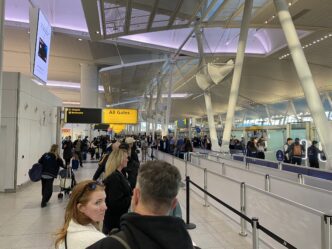
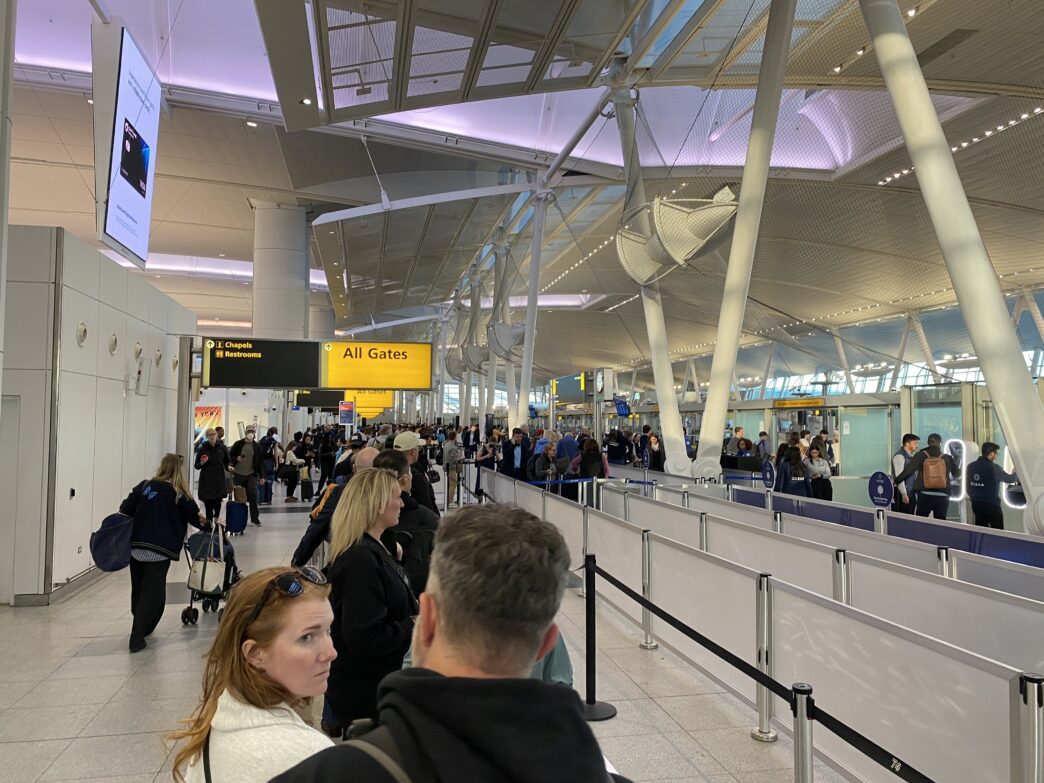
The Washington Post, which first reported the operational shift, cited agency spokespersons confirming the timeline. TSA PreCheck allows approved passengers to use dedicated lanes to reduce wait times, while Global Entry expedites customs clearance for international travelers. The suspension of these services is expected to increase congestion at checkpoints as the shutdown continues.
The partial government shutdown, which commenced on February 14, is the result of a legislative impasse between Democrats and the White House regarding DHS funding. The conflict centers on Democratic demands for alterations to immigration operations that are integral to President Donald Trump’s deportation agenda. On social media, Democrats on the House Committee on Homeland Security criticized the administration’s latest move, accusing the DHS of “kneecapping” essential travel programs.
This decision follows a directive issued Thursday by the Trump administration ordering the Federal Emergency Management Agency (FEMA) to suspend the deployment of aid workers to disaster-affected areas due to the funding gap.
Operational and Political Implications
The suspension of expedited screening programs represents a tactical escalation in the funding standoff, shifting the consequences of the shutdown from administrative backlogs to immediate disruptions in public travel infrastructure. By targeting “special privilege” programs, the administration highlights the resource scarcity caused by the legislative deadlock while potentially increasing political pressure on congressional negotiators. As the shutdown enters its second week, the broadening scope of suspended services—spanning from FEMA deployments to airport security—suggests a strategy of maintaining core enforcement capabilities while allowing visible service degradations to underscore the severity of the impasse over immigration policy.