Executive Summary
- Governor Josh Shapiro detailed the emotional impact of the April 2025 attack on his home and ongoing security threats.
- Shapiro condemned antisemitism in both the Democratic and Republican parties, calling for leaders to denounce hate speech.
- The Governor defended his support for a two-state solution in the Middle East while addressing criticism from within his party.
- Shapiro criticized President Trump for rhetoric he claims violates shared tenets of faith and humanity.
- The interview highlighted a recent arrest in Carlisle, PA, involving terroristic threats against the Governor’s family.
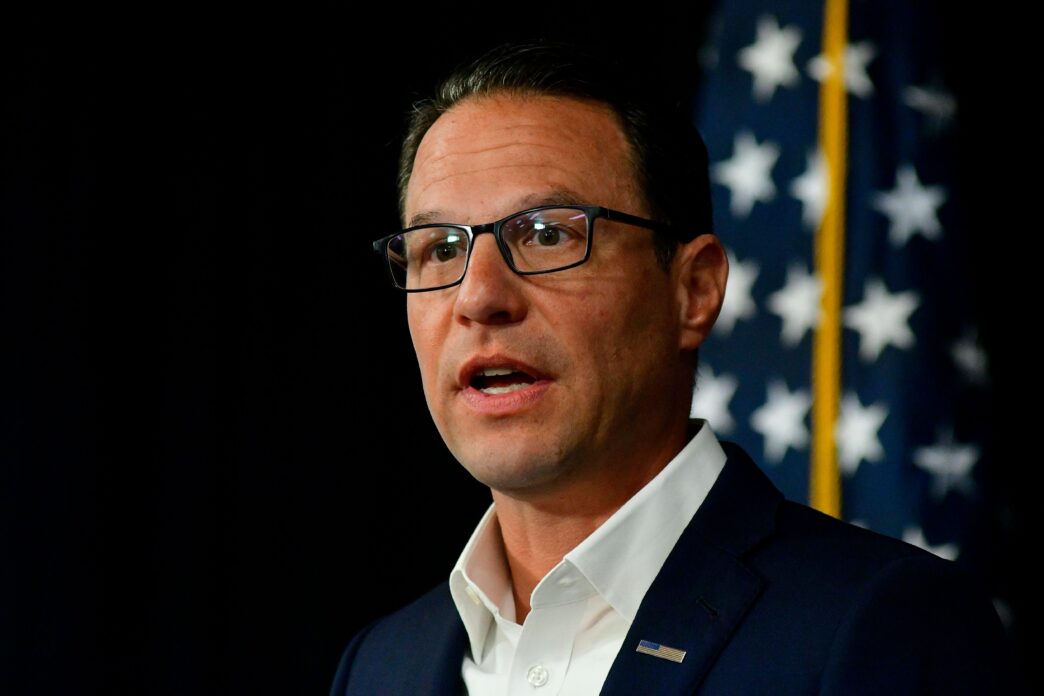
PHILADELPHIA — Pennsylvania Governor Josh Shapiro addressed the intersection of his Jewish faith, rising political violence, and the fractured political landscape in a candid interview released Monday. As he campaigns for reelection in a critical swing state, the Democratic governor reflected on the personal toll of recent security threats and the broader implications of antisemitism within both major political parties.
According to the Associated Press, Shapiro discussed the lasting emotional impact of an attack on his home that occurred on April 13, 2025. While acknowledging he was not physically injured like other political figures such as Gabby Giffords or Steve Scalise, Shapiro noted the “emotional scars” the incident left on his family. He expressed the difficulty of reconciling his public service with the realization that his work had brought his family “close to death,” a reality he admitted he is still processing as a father and husband.
The Governor also spoke directly to the issue of antisemitism, stating it remains a “very real problem” on both the political left and right. Shapiro condemned the platforming of figures such as Nick Fuentes and criticized officials who fail to denounce such rhetoric. Regarding divisions within his own party over the Israel-Gaza war, Shapiro addressed critics who have labeled him “Genocide Josh.” He emphasized a distinction between hateful rhetoric, which he described as a black-and-white issue, and policy disagreements regarding the Middle East, which he argued require nuance. Shapiro reaffirmed his support for a two-state solution ensuring security for both Israel and a Palestinian state.
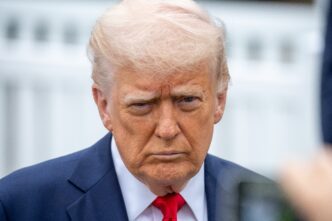
Addressing the vetting process for the Vice Presidency under Kamala Harris, Shapiro commented on questions raised by her team regarding his loyalty, which he had previously described as revealing. While declining to label the individuals involved as antisemitic, he suggested that the motivations behind such inquiries are questions for those officials to answer. Turning his attention to the opposition, Shapiro criticized President Trump, asserting that the former President’s rhetoric violates the tenets of shared faith and humanity by engaging in “cruelty and corruption.”
Shapiro confirmed that he continues to face daily threats motivated by his faith. He cited a specific incident involving an arrest on Friday in Carlisle, Pennsylvania, connected to stalking and terroristic threats against him and his family. despite the rising hostility, Shapiro stated he refuses to live in fear, citing the support he receives from neighbors and constituents across religious lines.
Political Implications
Shapiro’s candid discussion highlights the delicate balance centrist Democrats must maintain in key battleground states like Pennsylvania. By directly confronting the rift within the Democratic coalition regarding the Middle East while simultaneously attacking the rhetoric of the political right, Shapiro is positioning himself as a pragmatic leader willing to engage with dissent but firm on core values. However, the persistence of violent threats against high-profile governors underscores the growing security challenges facing state-level executives, potentially complicating retail politicking and public engagement strategies in the lead-up to the 2026 midterm elections.