Executive Summary
- Supreme Court rules 6-3 against President Trump’s use of IEEPA for tariffs.
- NY AG Letitia James calls the decision a “critical victory” for the rule of law.
- Ruling affirms lower court decisions that the executive branch exceeded its authority.
- President Trump announces plans for a new 10% global tariff under Section 122 of the 1974 Trade Act.
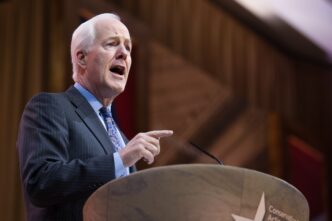
New York Attorney General Letitia James on Friday commended the Supreme Court’s decisive 6-3 ruling, which invalidated the Trump administration’s broad application of tariffs under the International Emergency Economic Powers Act (IEEPA). James, who led a coalition of attorneys general in challenging the measures, characterized the decision as a vindication of established administrative law and a stabilizing development for the national economy.
The Supreme Court determined that the executive branch exceeded its statutory authority by utilizing the 1977 IEEPA to regulate international commerce absent a qualifying national emergency. The ruling affirms previous decisions by the U.S. Court of International Trade and an appeals court, both of which rejected the administration’s claim of unilateral authority to impose the levies. “The Supreme Court has agreed that this administration has no authority to impose massive new taxes on a whim,” James stated, adding that the tariffs had caused “immense economic chaos” for families and businesses.
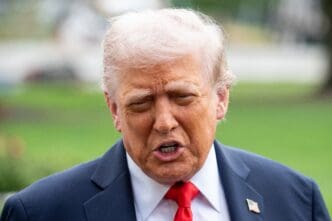
In response to the judgment, President Trump criticized the majority opinion and indicated an immediate strategic pivot. The President announced plans to sign an executive order implementing a 10 percent “global tariff” citing Section 122 of the Trade Act of 1974 to replace the voided measures. When asked about potential legislative involvement, President Trump remarked, “I don’t need to,” signaling an intent to bypass Congress.
Constitutional and Economic Implications
The Supreme Court’s decision represents a significant judicial check on the use of emergency powers for economic policy, specifically defining the limits of the IEEPA. While the ruling curtails the executive branch’s ability to leverage emergency statutes for trade regulation, the administration’s swift transition to Section 122 of the Trade Act of 1974 suggests a continued commitment to protectionist trade measures. This legal pivot signals a protracted conflict between the executive branch and the judiciary regarding the scope of presidential trade authority, potentially leading to further market volatility as new statutory justifications are tested in the courts.