Executive Summary
- President Trump is scheduled to deliver the State of the Union address on Tuesday, Feb. 24, 2026.
- The address occurs shortly after a Supreme Court ruling limited the administration’s authority on unilateral tariffs.
- Polls indicate 65% disapproval regarding the President’s handling of inflation despite White House claims of economic success.
- Virginia Governor Abigail Spanberger will deliver the Democratic response, focusing on economic affordability.
- Global instability in Ukraine, Mexico, and the Middle East complicates the administration’s “America First” foreign policy narrative.
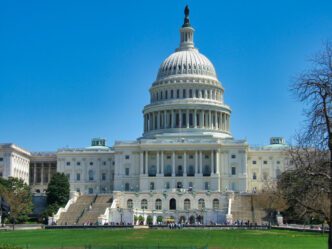
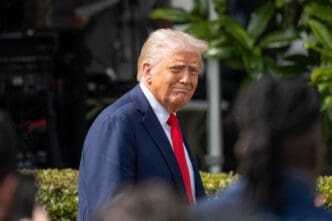
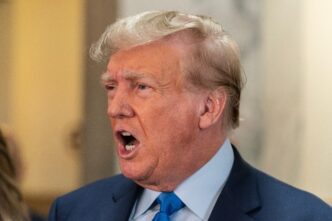
WASHINGTON – President Donald Trump is scheduled to deliver his State of the Union address on Tuesday evening, a pivotal speech expected to frame the administration’s agenda ahead of the upcoming midterm elections. Facing a divided electorate and significant policy challenges at home and abroad, the President will address a joint session of Congress as Republican candidates look to the White House for a unifying message while Democrats prepare to challenge his economic record.
According to political analysts, the address comes at a critical moment for the administration. Recent polling data from an ABC News/Washington Post/Ipsos survey indicates that 65 percent of Americans disapprove of the President’s handling of inflation, and 57 percent disapprove of his overall management of the economy. While the White House has touted recent economic victories, including a declaration that the administration has “won affordability,” voter sentiment remains tethered to the high cost of living.
Trade policy is expected to be a central theme of the remarks. The speech follows a Supreme Court ruling issued on Friday stating that the administration’s sweeping tariffs exceeded executive authority. Despite this judicial setback, reports indicate President Trump has pivoted to advocating for a new global tariff framework. This approach has generated friction within the Republican party, as some lawmakers express reluctance to champion aggressive protectionist measures that have impacted agricultural sectors in key states like Iowa.
On the geopolitical front, the President faces a complex landscape marked by instability. Tensions continue in Ukraine and the Middle East, while recent violence in Mexico involving American tourists has heightened scrutiny on border security. Domestically, immigration remains a polarizing issue; while the administration considers a “softer touch” in rhetoric, federal enforcement tactics continue to draw sharp criticism from opposition leaders and civil rights groups.
The Democratic response will be delivered by Governor Abigail Spanberger of Virginia. A former CIA officer and moderate Democrat who won her gubernatorial race last fall with a focus on affordability, Spanberger is expected to offer an alternative vision centered on economic stability and governance, attempting to contrast Democratic priorities with the current administration’s policies.
Electoral and Legislative Implications
The upcoming address represents a strategic inflection point for the midterm election cycle. President Trump’s insistence on pursuing aggressive trade policies, despite the recent Supreme Court rebuke, signals a continued commitment to heterodox economic nationalism that complicates the legislative landscape for traditional free-market Republicans. Furthermore, the selection of Governor Spanberger for the opposition response highlights a Democratic strategy to target centrist voters dissatisfied with pocketbook issues rather than engaging in purely ideological debates. The market and legislative reaction to the President’s tariff proposals on Tuesday will likely determine the stability of the Republican coalition heading into the election season.