Executive Summary
- President Donald Trump has not yet invited the Super Bowl LX champion Seattle Seahawks to the White House.
- Administration officials have reportedly failed to respond to media inquiries regarding the ceremony.
- Historical precedent shows the administration has rescinded invitations in the past due to player protests.
- There is no evidence suggesting the Seahawks have preemptively declined a visit.
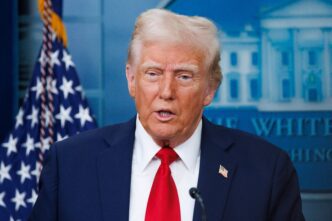
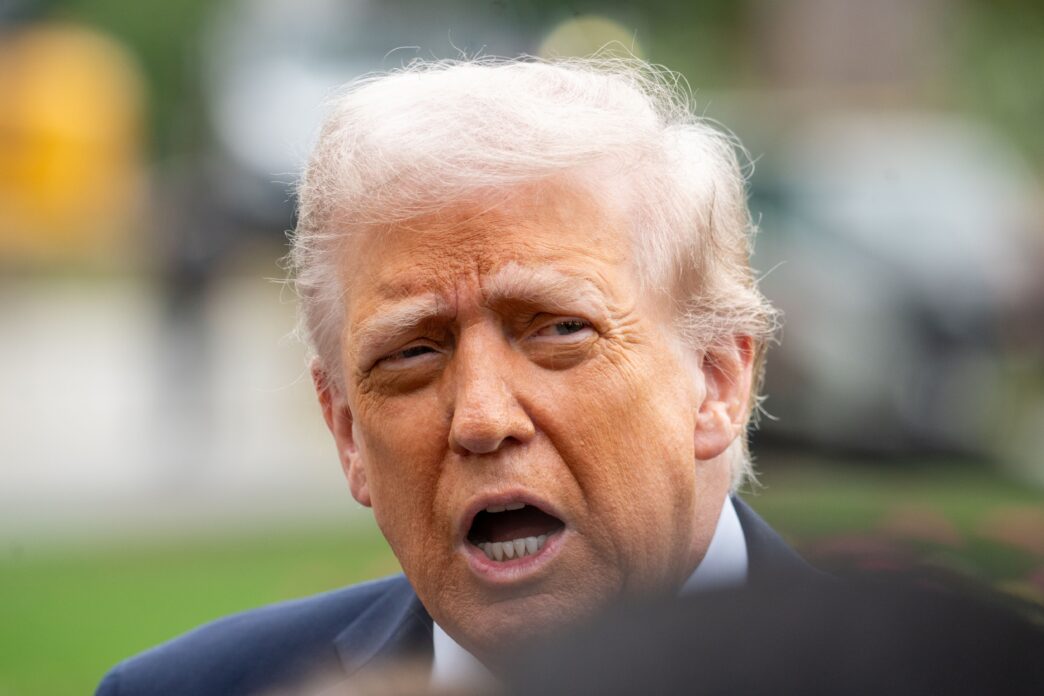
The Seattle Seahawks, recently crowned champions of Super Bowl LX, have not yet received a formal invitation to visit the White House, casting doubt on whether the traditional post-championship ceremony will take place. According to reports, President Donald Trump has not extended an offer to the team, and the White House has not responded to multiple inquiries regarding the potential visit.
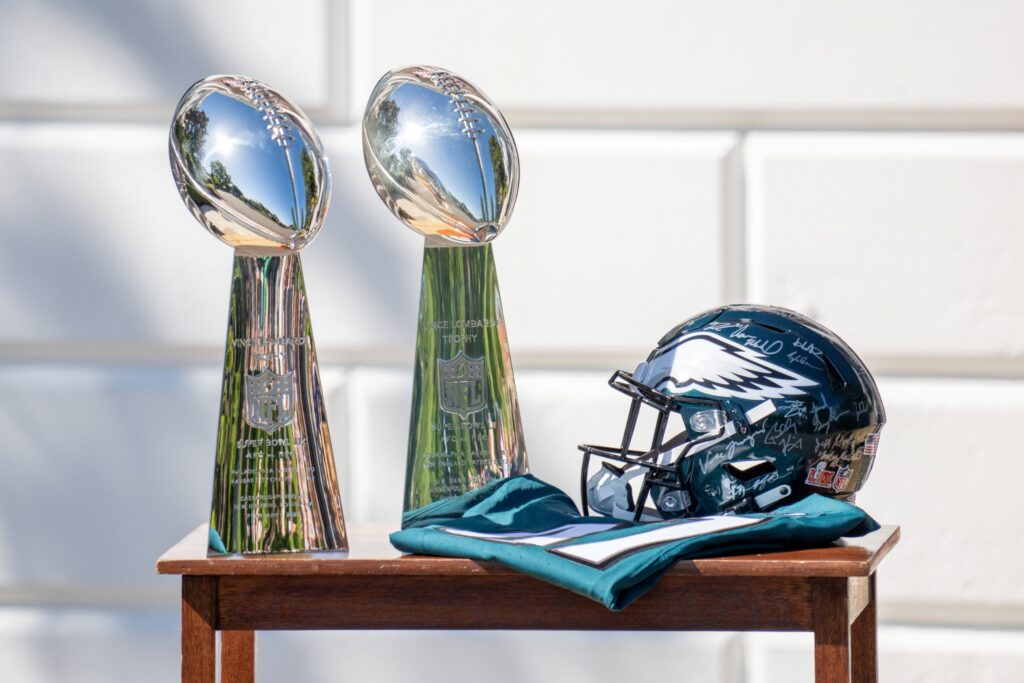
While hosting championship teams is a customary practice in American politics, the protocol is discretionary rather than mandatory. The current administration has previously exercised this discretion based on political dynamics. During his first term, President Trump rescinded a 2018 invitation to the Philadelphia Eagles following indications that players intended to skip the event. However, the administration did host the Eagles last year following their Super Bowl victory during President Trump’s second term.
Despite online speculation suggesting a boycott by the organization, there is no verified evidence that the Seahawks have declined a potential trip. The current uncertainty appears to stem entirely from the lack of an invitation from the Executive Branch rather than any refusal by the franchise.
Presidential Protocol Analysis
The delay in extending an invitation to the Super Bowl champions underscores the evolving complexity of ceremonial tradition within the modern Executive Branch. Historically a routine display of national unity, these visits have increasingly become leverage points in the broader cultural and political dialogue. The administration’s silence may reflect a strategic calculation to avoid potential public friction or a shift in how the White House prioritizes engagement with professional sports leagues that have previously been sites of political activism.