Executive Summary
- The US Supreme Court will review City of Boulder v. Suncor Energy, its first intervention in recent climate accountability litigation.
- The case focuses on whether federal law pre-empts state-level claims for climate change damages.
- Proceedings may be influenced by the recent repeal of EPA climate regulations under President Trump.
- A ruling for the defendants could pause or nullify over a dozen similar lawsuits nationwide.
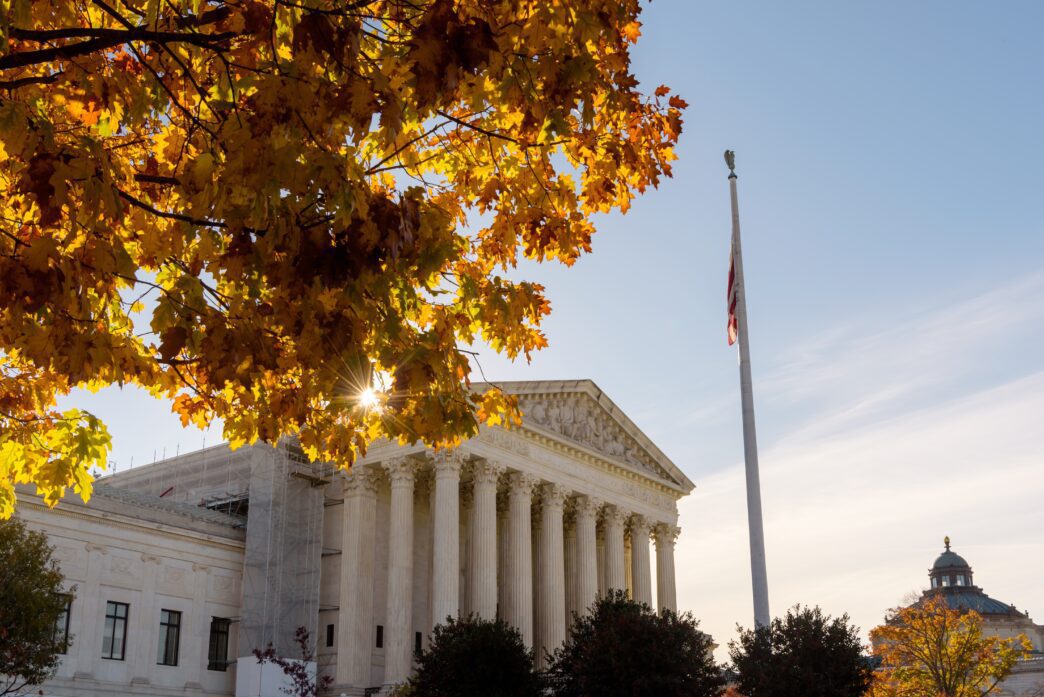
The United States Supreme Court announced on Monday that it will hear arguments in a climate accountability lawsuit filed by the city of Boulder, Colorado, against Suncor Energy USA and ExxonMobil Corporation. This decision marks the first time the nation’s highest court has agreed to weigh in on the recent wave of litigation brought by local and state governments seeking damages from fossil fuel companies for the impacts of climate change.
The central legal issue involves whether federal statutes pre-empt state-level claims regarding environmental damages. The defendants, Suncor and ExxonMobil, petitioned the Supreme Court to intervene after the Colorado Supreme Court refused to dismiss the lawsuit. The companies argue that the claims asserted by the city of Boulder are governed by federal law and therefore cannot be adjudicated in state courts. The outcome of this case is expected to have broad ramifications, potentially determining the viability of more than a dozen similar lawsuits pending across the country.
In a procedural order, the justices stated they would specifically “brief and argue” the question of whether the Court has the authority to review the case at its current stage. Pat Parenteau, a professor of environmental law at Vermont Law and Graduate School, noted that the decision to grant the petition suggests the justices may be poised to address the scope of jurisdiction. “The expectation is that [the justices] are probably going to give the oil companies some kind of win,” Parenteau stated regarding the potential for the Court to limit state-level liability.
The legal landscape surrounding the case is further complicated by recent executive actions. Last week, the Environmental Protection Agency (EPA) under President Trump repealed a foundational legal determination that previously authorized the federal government to regulate climate-warming pollution. Legal analysts suggest the Supreme Court may need to determine if this regulatory rollback impacts the argument that federal law pre-empts state claims.
Judicial Implications
The Supreme Court’s entry into this legal arena introduces a significant pause for climate litigation nationwide. By agreeing to review the jurisdictional and pre-emption questions, the Court effectively signals to lower tribunals that proceedings should halt until a federal standard is established. This move could freeze discovery and trial preparations in parallel cases filed by entities such as the state of Michigan and the city of Honolulu. Furthermore, the interaction between the Court’s interpretation of federal pre-emption and the executive branch’s recent deregulation efforts under President Trump will likely set a decisive precedent for the extent to which corporations can be held liable for environmental externalities under state common law.