Executive Summary
- Supreme Court Ruling: The High Court declared specific tariffs imposed by the Trump administration unlawful in a lawsuit brought by Learning Resources CEO Rick Woldenberg.
- Political Fallout: Senator Elizabeth Warren and Andrew Yang utilized the ruling to criticize the administration’s economic management and demand refunds for affected businesses.
- Constitutional Precedent: A GOP lawmaker acknowledged the ruling as a defense of the Constitution, highlighting the check on executive power regarding trade policy.
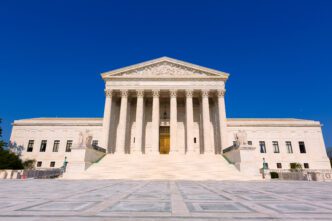
Washington – In a significant rebuke of executive trade authority, the Supreme Court has ruled against the Trump administration’s tariff policies following a legal challenge mounted by Rick Woldenberg, CEO of the Illinois-based toy company Learning Resources. The Court’s decision, which declares the specific tariffs in question unlawful, marks the culmination of a legal battle described by observers as a “David-and-Goliath” confrontation between a small business and the White House. Speaking to CNN regarding the verdict, Woldenberg characterized the outcome as a vindication for small business owners affected by the trade measures.
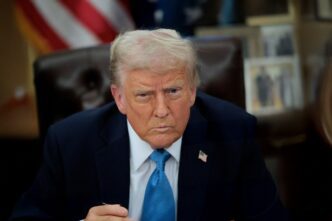
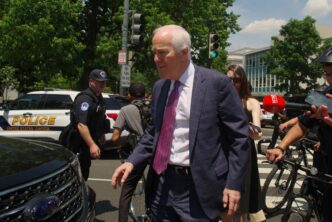
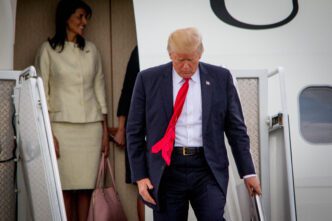
The ruling has triggered immediate reaction across the political spectrum, highlighting the contentious nature of the administration’s economic policy. According to reports from Capitol Hill, Senator Elizabeth Warren seized on the decision, stating that the administration must “give the money back” to affected businesses and emphasizing that the ruling confirms the law applies equally to President Donald Trump. Similarly, former presidential candidate Andrew Yang criticized the administration’s approach, telling reporters that the public should be furious at what he termed “mismanagement of the economy.” Conversely, a Republican Congressman reacted to the ruling by noting that “the Constitution was defended,” signaling a potential shift in conservative support regarding executive overreach in trade disputes.
The decision poses immediate logistical and political challenges for the White House. Political commentators, including Scott Jennings, have reportedly advised President Trump against escalating tensions with the Supreme Court following the ruling. Meanwhile, the administration is facing questions regarding the next steps for trade enforcement and the potential restitution of collected funds, as the judiciary asserts its role in checking executive economic powers.
Constitutional & Economic Implications
This Supreme Court ruling establishes a critical precedent regarding the limits of presidential authority under the guise of national economic security. By siding with a private entity against the administration’s tariff imposition, the Court has reinforced the separation of powers, specifically regarding Congress’s constitutional authority over commerce. Economically, this decision introduces a stabilizing factor for supply chains dependent on imports, potentially reducing the volatility associated with unilateral executive trade actions. However, it also creates a complex administrative burden for the Treasury Department regarding the potential repayment of collected tariffs, a process that could have significant fiscal impact on federal revenue projections.