Executive Summary
- The Supreme Court struck down tariffs imposed by President Trump, ruling against the unilateral executive action.
- Justice Neil Gorsuch issued a concurring opinion emphasizing that the legislative process is designed to tap the "combined wisdom" of elected representatives.
- President Trump asserted he has the "right to do tariffs" without Congressional approval despite the ruling.
- Congressional Republicans largely criticized the Court’s decision, aligning with the administration’s trade stance.
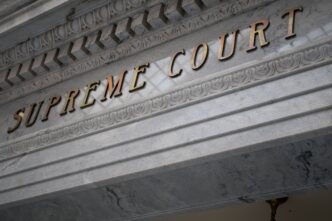
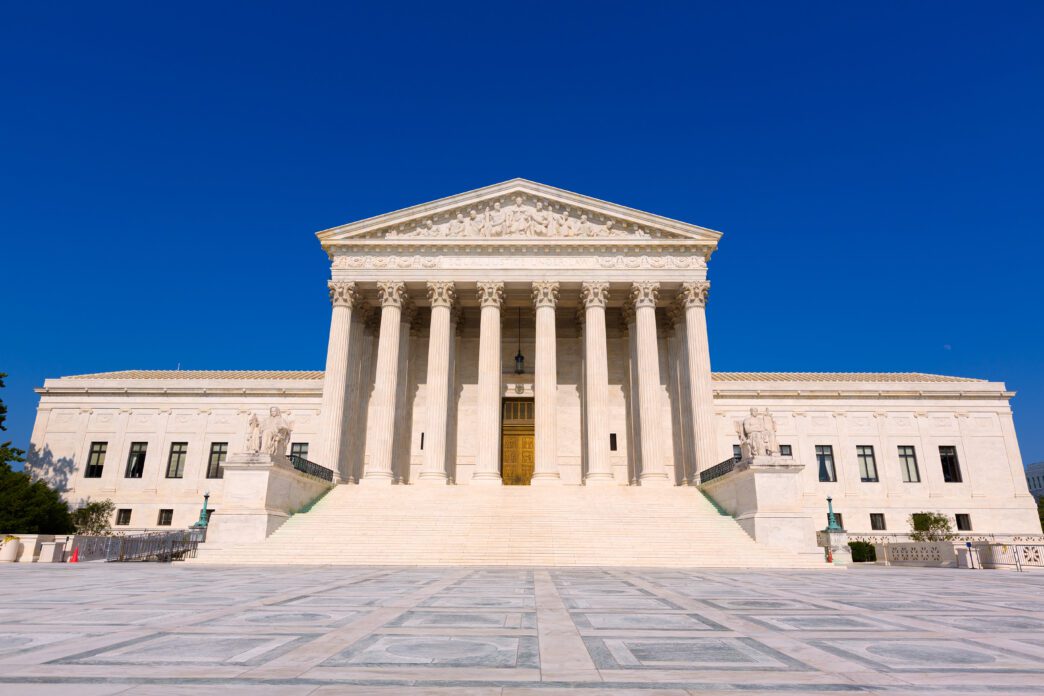
The United States Supreme Court struck down tariffs imposed by President Donald Trump on Friday, issuing a ruling that reinforces the constitutional separation of powers. In a significant concurring opinion, Justice Neil M. Gorsuch underscored the critical role of Congress in the legislative process, characterizing the deliberative nature of lawmaking as a feature of the system rather than a flaw.
Justice Gorsuch, part of the Court’s conservative majority, acknowledged the practical challenges of legislation but defended the constitutional design. "Yes, legislating can be hard and take time," Gorsuch wrote. He noted that while it is tempting to bypass Congress to address immediate problems, the process allows the nation to "tap the combined wisdom of the people’s elected representatives, not just that of one faction or man."
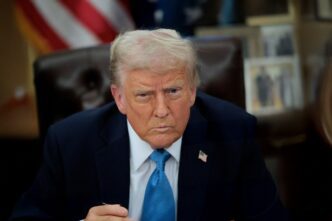
The ruling stands in contrast to the current political dynamic on Capitol Hill, where Republican leadership has frequently deferred to the executive branch on trade policy. According to reports, the majority of President Trump’s allies in Congress condemned the decision. Conversely, President Trump addressed the ruling during a White House news conference, rejecting the suggestion that he would now seek Congressional collaboration for future trade measures. "I don’t have to," President Trump stated. "I have the right to do tariffs."
Constitutional Balance of Power
This judicial intervention highlights a growing tension between the executive branch’s usage of delegated trade authority and the judiciary’s interpretation of Article I powers. By striking down the tariffs and explicitly praising the "deliberative nature" of the legislature, the Court is signaling a potential shift toward stricter scrutiny of executive unilateralism. This decision may serve as a precedent that limits the scope of emergency economic powers available to future administrations, reasserting the necessity of Congressional authorization in matters of taxation and commerce.