Executive Summary
- President Trump is considering a two-phase military strategy against Iran if nuclear talks fail.
- Negotiators are scheduled to meet in Geneva on Thursday in a final diplomatic push.
- The U.S. has deployed two aircraft carrier groups and significant air power to the region.
- Internal White House debates show Vice President Vance questioning the risks of military action.
- A compromise allowing limited enrichment for medical use is being considered as a diplomatic off-ramp.
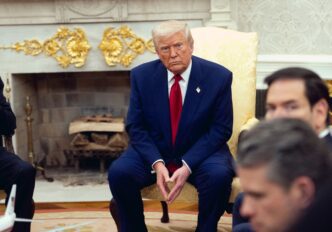
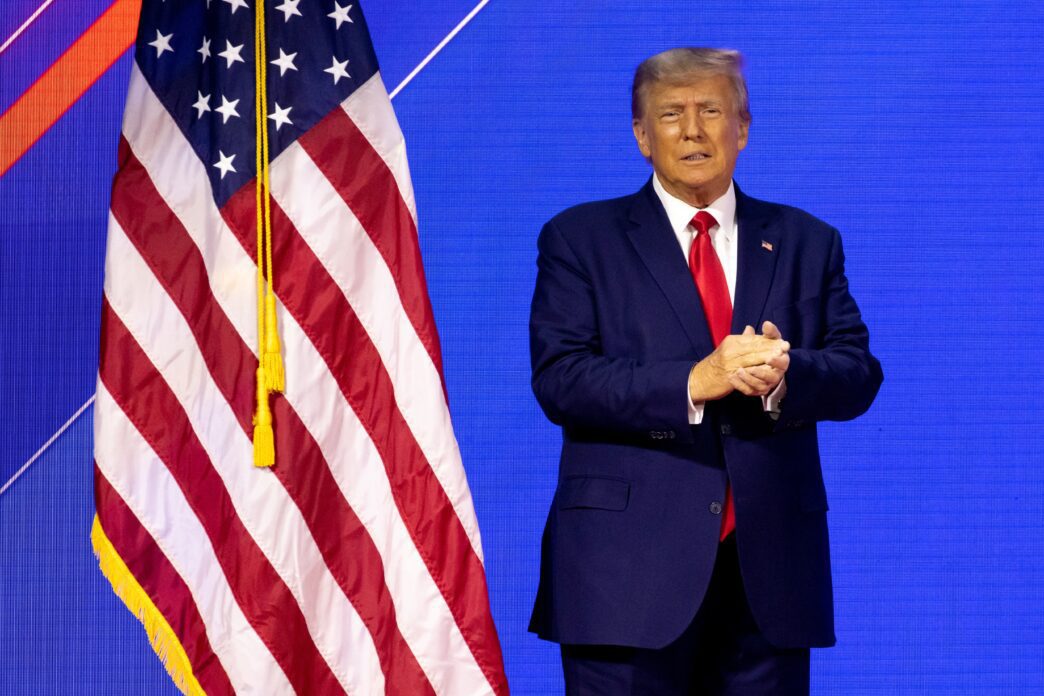
President Trump has advised senior aides that he is prepared to authorize military strikes against Iran if upcoming diplomatic negotiations fail to secure the dismantling of Tehran’s nuclear program, according to administration officials briefed on the deliberations. While negotiators from the United States and Iran are scheduled to meet in Geneva on Thursday for what is described as a critical effort to avoid conflict, the President is reportedly considering a two-phased military strategy should these talks collapse.
According to sources familiar with internal discussions, the administration is weighing an initial wave of targeted strikes intended to demonstrate resolve. Targets under consideration range from the headquarters of Iran’s Islamic Revolutionary Guard Corps (IRGC) to ballistic missile facilities and nuclear sites. Officials stated that if these initial steps fail to compel Tehran to meet U.S. demands, President Trump has expressed willingness to consider a broader military assault later this year aimed at destabilizing the country’s leadership.
A significant military buildup is currently underway in the region to support these potential contingencies. Two aircraft carrier groups, along with dozens of fighter jets, bombers, and refueling aircraft, are massing within striking distance of Iran. This deployment represents the largest concentration of U.S. military force in the region in nearly two decades. The USS Gerald R. Ford is currently transiting the Mediterranean and is expected to position itself off the coast of Israel shortly.
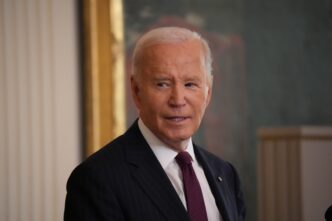
High-level discussions regarding these options took place in the White House Situation Room on Wednesday. The meeting included Vice President JD Vance, Secretary of State Marco Rubio, General Dan Caine, the chairman of the Joint Chiefs of Staff, and CIA Director John Ratcliffe. While Secretary Rubio and other aides have outlined various rationales for military action, including protecting protesters and neutralizing missile arsenals, Vice President Vance reportedly questioned the risks and complexity of such operations, advocating for a thorough examination of the potential fallout.
Despite the hardening positions, diplomatic channels remain active. A compromise proposal originating from the International Atomic Energy Agency (IAEA) is currently being debated. This plan would potentially allow Iran to continue a very limited nuclear enrichment program solely for medical research and treatments. However, it remains unclear if this proposal can bridge the gap between Iran’s insistence on its rights under the Nuclear Nonproliferation Treaty and President Trump’s stated preference for "zero enrichment."
Geopolitical Strategic Assessment
The mobilization of significant naval and air assets signals a shift in the administration’s strategy from economic coercion to credible military brinkmanship. This approach mirrors the tactical deployment recently utilized during operations in Venezuela, though military analysts note that a conflict with Iran presents exponentially higher operational risks and target complexity. The outcome of the Geneva talks will likely determine regional stability for the immediate future; a failure to reach a diplomatic off-ramp could trigger a conflict with profound implications for global energy markets, regional alliances, and the security architecture of the Middle East.