Executive Summary
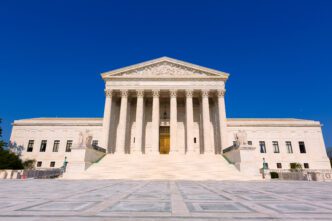
- The Supreme Court ruled that the power to impose tariffs lies with Congress, striking down part of Trump’s regime.
- President Trump responded by invoking the Trade Act of 1974 to impose a new 10% global import tax.
- Republicans remain divided, with traditionalists criticizing the economic impact and populists supporting protectionism.
- Democrats are leveraging the issue for the midterms, calling for consumer refunds on unconstitutional tariffs.
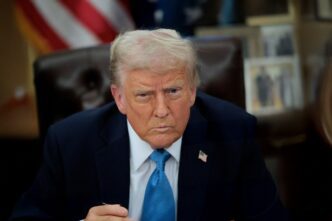
The Supreme Court on Friday struck down a significant portion of President Donald Trump’s global tariff regime, ruling that the constitutional authority to impose taxes resides exclusively with Congress, prompting the President to immediately announce a new 10% global import tax under alternative legal statutes. The ruling initially offered a brief moment of relief for congressional Republicans who have opposed the administration’s trade policies, but the respite was cut short by the White House’s rapid counter-maneuver.
Following the court’s decision, President Trump declared his intention to proceed without congressional approval, invoking the Trade Act of 1974. According to official statements, the President signed an executive order citing the need to address "large and serious United States balance-of-payments deficits." This specific legal authority limits the tariffs to a duration of 150 days and, according to legal analysts, has never been utilized in this specific manner before.
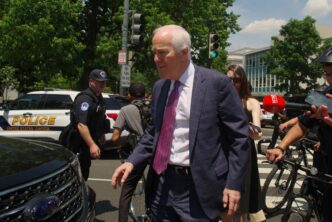
The reaction within the Republican party highlighted a deepening ideological fracture. Senate Minority Leader Mitch McConnell issued a statement criticizing the "empty merits of sweeping trade wars," noting that such tariffs disrupt industries and raise housing prices. However, a contingent of younger GOP lawmakers, such as Senator Bernie Moreno, vocally supported the President’s "America First" protectionism, urging colleagues to codify the tariffs into law.
Democratic leaders moved quickly to leverage the development for the upcoming midterm elections. Senate Democratic Leader Chuck Schumer stated that the new tariffs would continue to raise costs for American families. Additionally, Senator Elizabeth Warren called for the government to issue refunds to consumers for the tariffs that the Supreme Court deemed unconstitutional, arguing that the public should recover funds paid under the struck-down regime.
Economic analysts continue to assess the impact of these trade policies. A report by the JPMorganChase Institute indicated that midsize U.S. businesses have been forced to absorb import taxes by raising customer prices, reducing hiring, or accepting lower profit margins. The uncertainty regarding the new executive order’s legal viability adds another layer of complexity for global markets.
Constitutional and Economic Implications
The swift pivot by the Executive Branch to the Trade Act of 1974 following a Supreme Court defeat underscores a significant constitutional testing ground regarding the separation of powers in trade policy. While the Court affirmed Congress’s authority over taxation, the administration’s utilization of untested emergency powers suggests a protracted legal and political struggle is imminent. Furthermore, the internal GOP division between traditional free-market advocates and protectionist populists is likely to complicate legislative cohesion as the midterm elections approach.