Executive Summary
- Wisconsin is projected to lose one U.S. House seat and one Electoral College vote after the 2030 Census.
- Current estimates suggest the state’s delegation will drop from eight to seven members due to slow population growth.
- Immigration levels and federal policy under President Trump could impact the final apportionment outcomes.
- The reduction contributes to a broader decline in electoral influence for “Blue Wall” states in the Midwest.
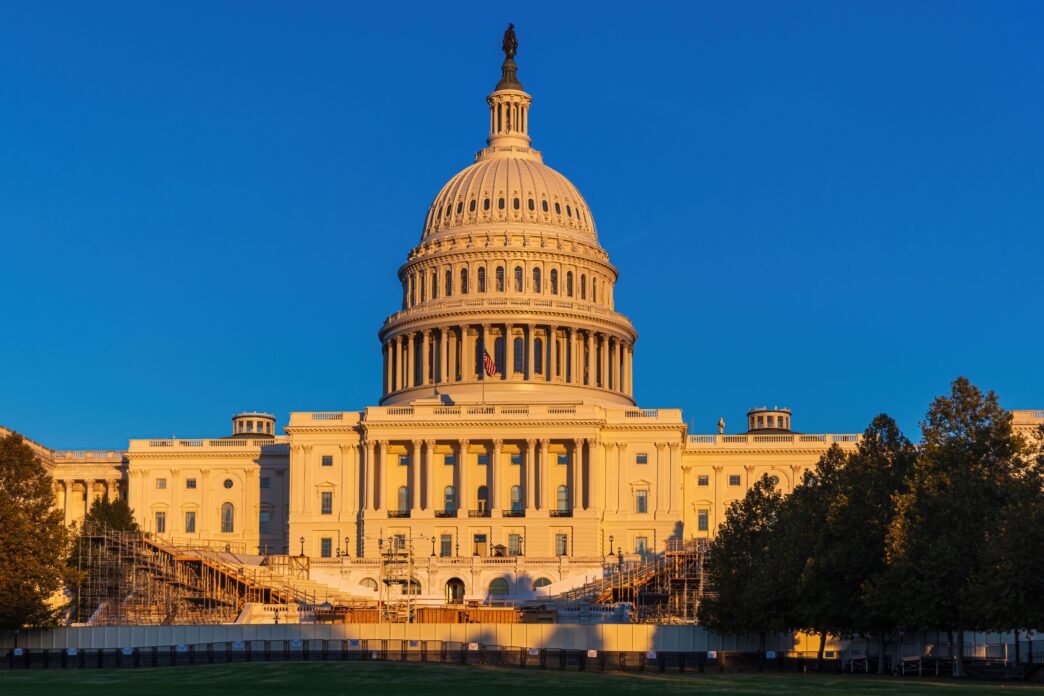
Wisconsin is projected to lose a seat in the U.S. House of Representatives after the 2030 Census due to population growth rates lagging behind the national average. According to demographic analyses released on Monday, the state’s congressional delegation is expected to contract from eight members to seven, a shift that would also reduce Wisconsin’s Electoral College votes from 10 to nine.
The potential reduction follows a long-term trend for the state, which has seen its congressional representation decline over the past century. Wisconsin held 11 House seats a hundred years ago, dropping to 10 after the 1930 Census, nine after 1970, and eight after 2000. Current projections indicate that slower growth in the Great Lakes region compared to the South and West will likely result in the further loss of a seat when reapportionment takes effect for the 2032 election.
Census Bureau data from 2025 has prompted new forecasts suggesting Wisconsin is “on the bubble” for retaining its eighth seat. While the state grew by 3.6 percent in the previous decade, this rate was less than half the national average. Analysts note that the final count will depend heavily on population shifts over the remainder of the decade, particularly regarding immigration.
According to estimates by the Brennan Center for Justice, federal immigration policies under the administration of President Donald Trump could influence the final apportionment. The center’s analysis suggests that a significant reduction in immigration—a primary driver of growth in states like Florida—could statistically benefit states with lower immigration rates like Wisconsin, potentially allowing it to retain its current seat count.
If the state does drop to seven districts, the political map would require substantial redrawing. Republicans currently hold six of the state’s eight seats. A seven-seat map would force the expansion of remaining districts, potentially altering the partisan balance. Historically, the loss of a seat in the early 2000s forced Milwaukee to consolidate two districts into one, effectively eliminating a Democratic seat.
The projections also highlight broader implications for the Electoral College. Current estimates suggest that states which voted for President Trump in 2024 could gain a net of 10 electoral votes after 2030, while states carried by Vice President Kamala Harris could lose the same amount. This shift would reduce the collective influence of the “Blue Wall” states—Wisconsin, Michigan, and Pennsylvania—requiring Democrats to secure victories in other battlegrounds such as Georgia or Arizona to win the presidency.
Strategic Assessment
The projected contraction of Wisconsin’s congressional delegation underscores a continuing geopolitical shift of power from the industrial Midwest to the Sun Belt. While the immediate impact involves the redrawing of local district lines, the broader consequence is the erosion of the “Blue Wall” as a decisive bloc in presidential elections. As population density moves southward and westward, the electoral math for both major parties will necessitate recalibrated strategies, with the Great Lakes region yielding influence to high-growth states like Texas and Florida. This demographic transition suggests that future legislative agendas may increasingly prioritize Sun Belt economic interests over traditional Midwestern industrial policy.