Executive Summary
- A coronal mass ejection is expected to cause a strong geomagnetic storm, making the northern lights potentially visible across Washington and 17 other states on Nov. 12.
- NOAA’s Space Weather Prediction Center has issued a forecast with a K-index of 6, indicating a bright and active aurora is possible.
- The best viewing time is anticipated between 10 p.m. and 2 a.m., though the National Weather Service warns that cloud cover may obstruct visibility.
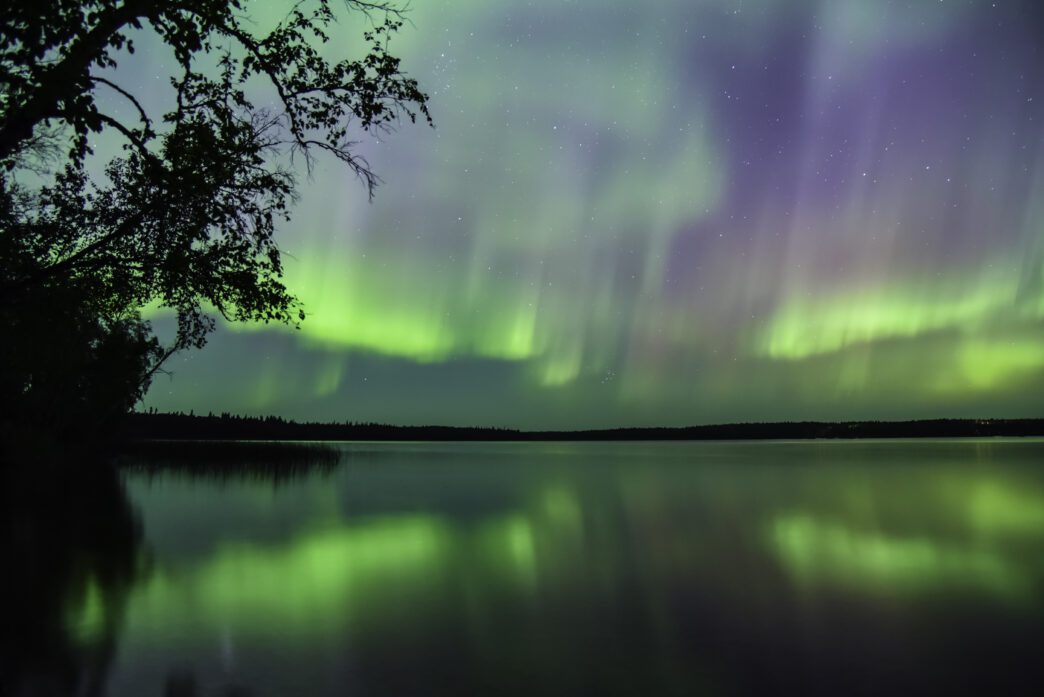
The northern lights may be visible across Washington state and parts of 17 other states on the night of Wednesday, November 12, due to a significant solar event. The National Oceanic and Atmospheric Administration (NOAA) has forecasted that a coronal mass ejection from the sun is expected to reach Earth, causing increased geomagnetic activity that produces the aurora borealis.
According to NOAA’s Space Weather Prediction Center, the storm’s intensity is predicted to reach a K-index of 6 out of 9. A Kp score in the 6-7 range typically indicates a bright, active, and more widely visible aurora. The agency’s forecast places all of Washington state within the “view line,” which represents the southernmost area where the lights may be seen on the northern horizon.
The optimal time for viewing the aurora is generally within a couple of hours of midnight, from approximately 10 p.m. to 2 a.m. local time. During this window, the aurora is often at its most active and visually compelling. Other states where the phenomenon might be visible include Alaska, Idaho, Montana, Minnesota, Wisconsin, Michigan, Maine, and North Dakota, among others.
However, potential viewers should be aware of local weather conditions. The National Weather Service’s sky cover forecast for Wednesday night indicates widespread cloudy conditions across much of Washington, which could obstruct the view of the celestial display. Stargazers are advised to find a location away from city lights with a clear view of the northern horizon for the best chance of witnessing the event.